

 QuranGPT
Western Ghats Ecologically Sensitive Area Notification: Balancing Biodiversity Conservation and Local Livelihoods
An analytical examination of the draft Ecologically Sensitive Area (ESA) notification across the Western Ghats, environmentalist advocacy, and agrarian community concerns.
The Holy Quran Team
Author
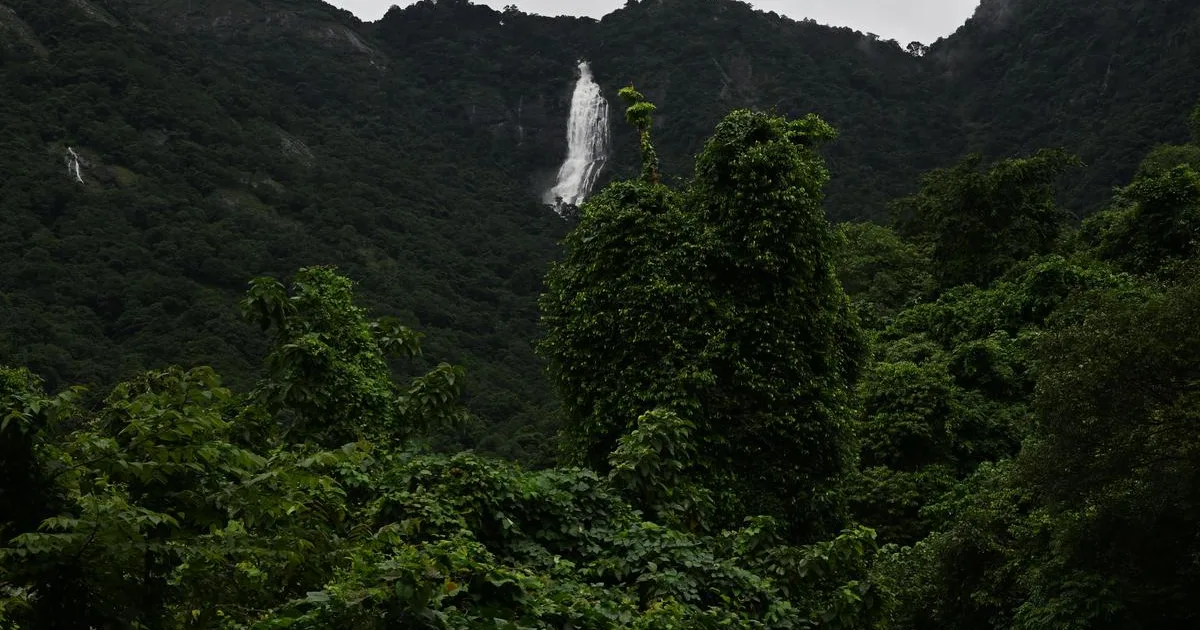
The issuance of the revised draft notification by the Ministry of Environment, Forest and Climate Change (MoEFCC) designating over 56,800 square kilometers across six states as the Western Ghats Ecologically Sensitive Area (ESA) has reignited a critical national debate at the intersection of biodiversity conservation, climate resilience, and agrarian livelihood security.
While leading environmental organizations and ecological scientists emphasize that urgent statutory protections are vital to prevent catastrophic landslides, preserve headwaters, and protect endemic flora and fauna, agrarian associations and resident hill communities in Kerala, Karnataka, and Tamil Nadu have staged widespread protests alleging that the restrictions could undermine their traditional land rights and agricultural livelihoods.
1. Executive Summary: Western Ghats ESA State-Wise Coverage Matrix
The proposed ESA notification encompasses six states spanning the 1,600-kilometer mountain range:
| State | Proposed ESA Area (Sq Km) | Number of Villages Affected | Key Ecological Assets |
|---|---|---|---|
| Karnataka | ~20,668 sq km | ~1,570 villages | Dense evergreen rainforests, river catchments (Kaveri, Tungabhadra) |
| Maharashtra | ~17,340 sq km | ~2,130 villages | Western escarpment, monsoon watersheds, wildlife corridors |
| Kerala | ~9,993 sq km | ~123 to 131 villages | High-range plantation ecosystems, Silent Valley, Periyar basin |
| Tamil Nadu | ~6,914 sq km | ~135 villages | Nilgiri biosphere, Anamalai tiger corridor, shola-grassland complexes |
| Goa | ~1,461 sq km | ~99 villages | Mhadei wildlife sanctuary, iron ore buffer zones |
| Gujarat | ~449 sq km | ~64 villages | Dangs deciduous forest belt, northern terminal ranges |
2. Core Prohibitions vs. Permitted Activities under the Draft ESA
A major challenge in the ESA implementation has been widespread misinformation regarding what activities are actually restricted versus permitted:
Prohibited Activities (Complete Statutory Ban):
1. Mining, quarrying, and sand extraction: Immediate complete phase-out.
2. Red-category polluting industries: Chemical, metallurgical, and heavy industrial plants.
3. Massive commercial construction: Built-up township projects exceeding 20,000 sq meters.
4. Thermal power plants: New coal, gas, or heavy-oil power generation stations.

Permitted & Regulated Activities (Allowed for Residents):
1. Agriculture & Horticulture: Traditional farming, cash crops (coffee, tea, cardamom, pepper), and organic farming are completely unaffected.
2. Residential Housing: Repair, renovation, and construction of private homes and farmhouses.
3. Non-Polluting Local Enterprises: Small food processing units, village homestays, and rooftop solar installations.
3. Resolving the Conflict: Ground-Truthing and Cadastral Demarcation
Environmental groups argue that protests are frequently orchestrated by vested mining, timber, and commercial quarrying lobbies exploiting the fears of smallholder farmers. Conversely, farmer cooperatives contend that generic satellite-based mapping inadvertently categorizes settled agricultural plantations as inviolable forest zones.
To build sustainable consensus, expert committees are recommending:
- Cadastral Ground-Truthing: Utilizing high-resolution drone mapping and revenue land survey records to physically exclude inhabited village settlements, agricultural farmlands, and commercial plantation plots from the core ESA boundaries.
- Community-Led Conservation Incentives: Providing direct payments for ecosystem services (PES) to farmers practicing organic farming, agroforestry, and soil conservation on hill slopes.
- Landslide Vulnerability Zoning: Establishing micro-level slope stability regulations to prevent hazardous cut-and-fill excavations on fragile mountain gradients without penalizing traditional farming.
4. The Climate Imperative: Preserving South India's Water Tower
Ecological scientists highlight that the Western Ghats functions as the primary "water tower" of peninsular India, intercepting the southwest monsoon and feeding over 50 major river systems that sustain agriculture and drinking water for over 300 million citizens. Unregulated quarrying, road cutting, and deforestation directly degrade slope stability, triggering deadly landslides and erratic drought-flood cycles across the plains.
5. Frequently Asked Questions (FAQ)
What is an Ecologically Sensitive Area (ESA) under Indian environmental law?
An ESA is a designated geographic zone under the Environment (Protection) Act, 1986, where polluting industries and destructive mining are prohibited to preserve fragile ecosystems while permitting sustainable local activities.
Does the Western Ghats ESA notification ban farming or agricultural land ownership?
No. The notification explicitly permits existing agricultural activities, traditional plantation crops, domestic livestock rearing, and private home repairs for local residents.
What are the main differences between the Gadgil and Kasturirangan reports?
The Madhav Gadgil Committee (2011) recommended designating the entire Western Ghats as ecologically sensitive under three graded zones, whereas the Kasturirangan Committee (2013) scaled down the proposed protected area to approximately 37% of the range, focusing on natural forest landscapes.
6. Strategic Takeaways & Outlook
- Conservation and Livelihoods Can Coexist: Protecting biodiversity does not require displacing traditional farming communities if buffer zones are mapped accurately with community participation.
- Transparent Ground-Truthing is Crucial: Conducting micro-level revenue surveys eliminates public mistrust and separates legitimate commercial violators from local residents.
- Preserving Peninsular Climate Security: Safeguarding the Western Ghats is indispensable for protecting water security, preventing extreme weather disasters, and ensuring sustainable agriculture across South India.