

 QuranGPT
European Powers and UN Condemn Israeli E1 Settlement Tenders: The Strategic Threat to a Contiguous Palestinian State
A comprehensive international law and diplomatic report on the United Kingdom, France, Germany, Italy, and the United Nations issuing a joint condemnation against Israel publishing construction tenders for 1,200 settlement units in the strategic E1 corridor of the occupied West Bank.
The Holy Quran Team
Author
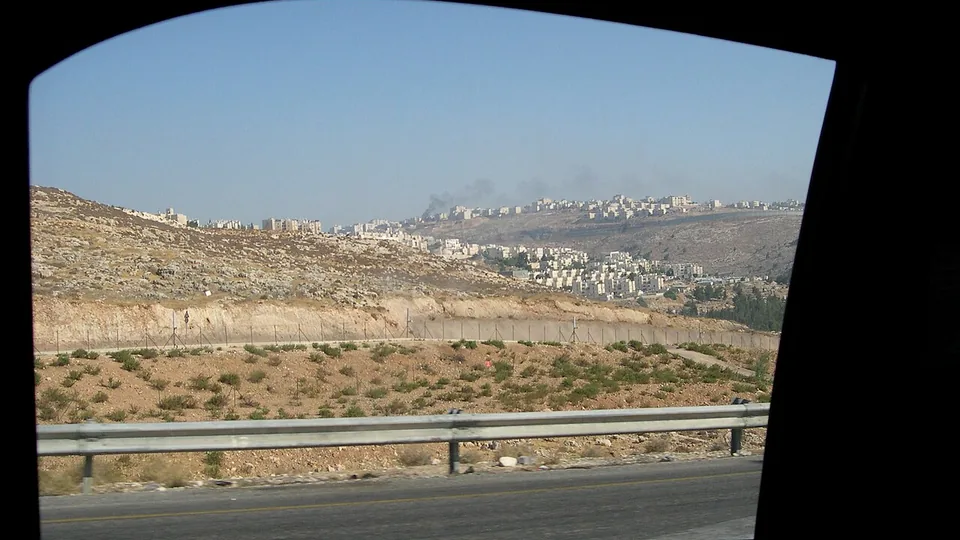
European Powers and UN Condemn Israeli E1 Settlement Tenders: The Strategic Threat to a Contiguous Palestinian State
In a united diplomatic intervention that underscores deep international alarm over the irreversible fragmentation of Palestinian territory, the governments of the United Kingdom, France, Germany, and Italy, alongside the United Nations Secretary-General, have issued a stern joint communique condemning the Government of Israel's decision to publish construction tenders for 1,200 new settlement housing units in the highly sensitive E1 corridor of the occupied West Bank.
The disputed E1 (East 1) zone—spanning approximately 12 square kilometers between occupied East Jerusalem and the mega-settlement of Ma'ale Adumim—has long been recognized by international diplomats as the definitive geopolitical "red line" for the viability of any future independent, contiguous Palestinian state.
The joint European-UN statement emphasized that implementing construction in E1 would physically bisect the West Bank into disconnected northern (Ramallah, Nablus, Jenin) and southern (Bethlehem, Hebron) cantons, while permanently severing East Jerusalem from its Palestinian demographic and economic hinterland in flagrant violation of UN Security Council Resolution 2334 and the Fourth Geneva Convention.
1. The Strategic Geography of the E1 Corridor
To understand why international diplomats consider E1 the fatal blow to the Two-State Solution, one must analyze the physical geography of the Judean desert hills east of Jerusalem:
graph TD
    A["Occupied East Jerusalem (Historical Capital of Palestine)"] --- B["E1 Corridor (12 Sq Km Strategic Land Bridge)"]
    B --- C["Ma'ale Adumim Settlement Bloc (40,000+ Settlers)"]

    B --> D["CONSEQUENCE OF E1 URBAN CONSTRUCTION"]
    D --> E["Physical Severance: Cuts West Bank into North & South Enclaves"]
    D --> F["Complete Isolation of East Jerusalem from Bethlehem & Ramallah"]
    D --> G["Forcible Eviction of Indigenous Jahalin Bedouin Communities (Khan al-Ahmar)"]
    D --> H["Total Impossibility of a Sovereign, Contiguous Palestinian State"]
Strategic Implications:
- Territorial Contiguity Destruction: Constructing a continuous urban concrete belt from Jerusalem to the Dead Sea divides the Palestinian West Bank into two separate geographic zones, preventing sovereign transit between cities without Israeli military checkpoint approval.
- Displacement of Bedouin Communities: The project mandates the demolition and forcible relocation of several indigenous Bedouin hamlets, most notably the historic village of Khan al-Ahmar.
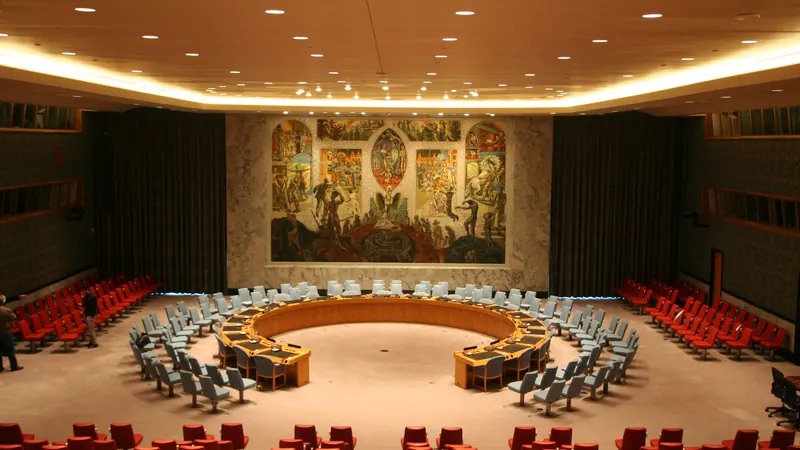 UN Security Council Resolution 2334 affirms that settlements in occupied territory constitute violations of international law.
2. Joint International Condemnation and Legal Frameworks
The joint declaration by European foreign ministers marks one of the sharpest diplomatic rebukes issued to Tel Aviv:
| International Entity | Official Statement & Legal Basis | Diplomatic Consequence |
|---|---|---|
| United Kingdom (Foreign Office) | "Settlements are illegal under international law and represent an insurmountable obstacle to peace." | Reviewing bilateral trade agreements on goods originating from occupied territories. |
| France, Germany & Italy | "We urge the Israeli authorities to immediately reverse these tenders and cease all settlement expansion." | Warning of potential diplomatic downgrades and legal referrals to international tribunals. |
| United Nations (UNSC 2334) | Reaffirms that all Israeli settlements in occupied territory have "no legal validity and constitute a flagrant violation under international law." | Briefing the UN Security Council for emergency consultations. |
3. The Humanitarian Impact on Indigenous Palestinian Communities
Human rights monitors and UN humanitarian agencies emphasize the catastrophic immediate impact on local Palestinian families:
- Loss of Traditional Grazing Lands: Jahalin Bedouin shepherds who have inhabited the arid hills east of Jerusalem for generations are denied grazing permits and facing daily harassment.
- Fragmented Family and Commercial Life: Palestinian merchants, schoolteachers, and healthcare workers traveling between Bethlehem and Ramallah will face hours of military bypass detours, turning a 20-minute journey into a multi-hour ordeal.
4. Conclusion: The Decisive Choice for Global Diplomacy
The battle over the E1 corridor represents the defining crossroads for Middle Eastern peace.
Words of condemnation alone will not halt the bulldozers. The international community must move from rhetorical statements to concrete legal and diplomatic accountability—upholding international law, protecting human rights, and preserving the sacred right of the Palestinian people to self-determination in a free, viable, and sovereign homeland.