

 QuranGPT
The 2026 US Midterm Elections: The Shift to Divided Government, Voter Anxieties & Policy Gridlock
An analytical breakdown of the 2026 US midterm election results: how affordability pressures, foreign policy fatigue, and tech anxiety shaped the 120th Congress.
The Holy Quran Team
Author
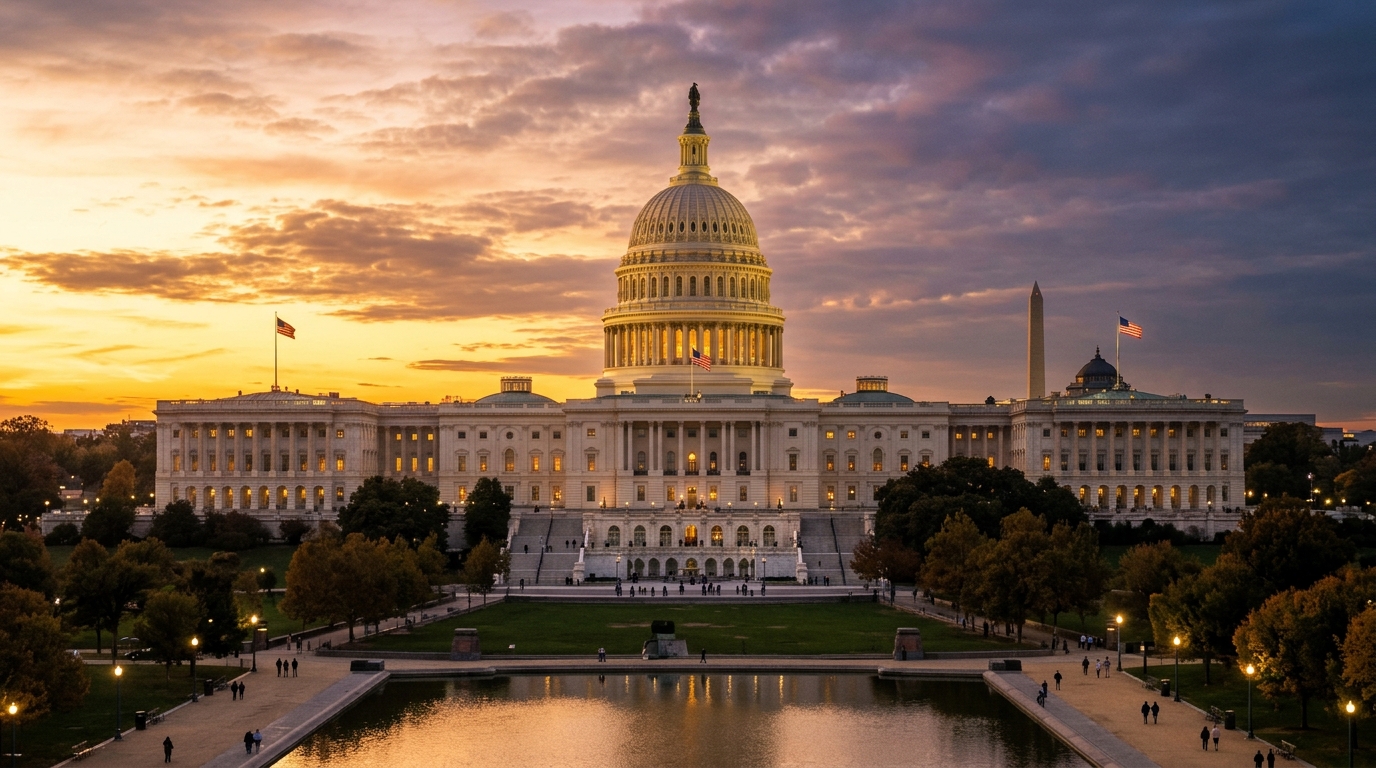
The dust has settled on the November 2026 United States midterm elections, delivering one of the most consequential political realignments of the decade. In a cycle defined by voter weariness over everyday living expenses, persistent geopolitical tensions across the globe, and growing public trepidation over the rapid expansion of Artificial Intelligence, American voters delivered a decisive check on executive authority, ushering in a classic divided government for the 120th United States Congress.
While macroeconomic metrics leading into the election showed headline growth in gross domestic product and sustained low unemployment, the mood at polling stations told a drastically different story. Voters punished the governing party for persistent grocery bills, inflated utility rates, escalating housing costs, and foreign military entanglements, transferring legislative control of congressional committees and fiscal gavels back into opposition hands.
This article provides an objective, data-driven analysis of the forces that drove the 2026 electorate, the strategic priorities facing the incoming Congress, and what divided government means for public policy, judicial nominations, and the American civic fabric over the next two years.
1. The Anatomy of the 2026 Midterm Backlash
Midterm elections in American political history almost universally function as a referendum on the incumbent president and the party in power. Since the post-World War II era, the White House’s party has lost an average of 26 House seats and 4 Senate seats in midterm cycles.
The 2026 results reinforced this historical pendulum with exceptional precision. Across suburban battleground districts in Pennsylvania, Michigan, Georgia, Arizona, and Nevada, swing voters and independents moved decisively:
┌────────────────────────────────────────────────────────────────────────┐
│ Core Dynamics Driving the 2026 Electorate                              │
│                                                                        │
│ 1. The Affordability Gap      ──► Kitchen-table costs outweighed GDP  │
│ 2. Foreign Policy Exhaustion  ──► Pushback against overseas conflicts  │
│ 3. The Tech & AI Anxiety      ──► Fears of workplace automation        │
│ 4. Institutional Oversight    ──► Demand for constitutional checks     │
└────────────────────────────────────────────────────────────────────────┘
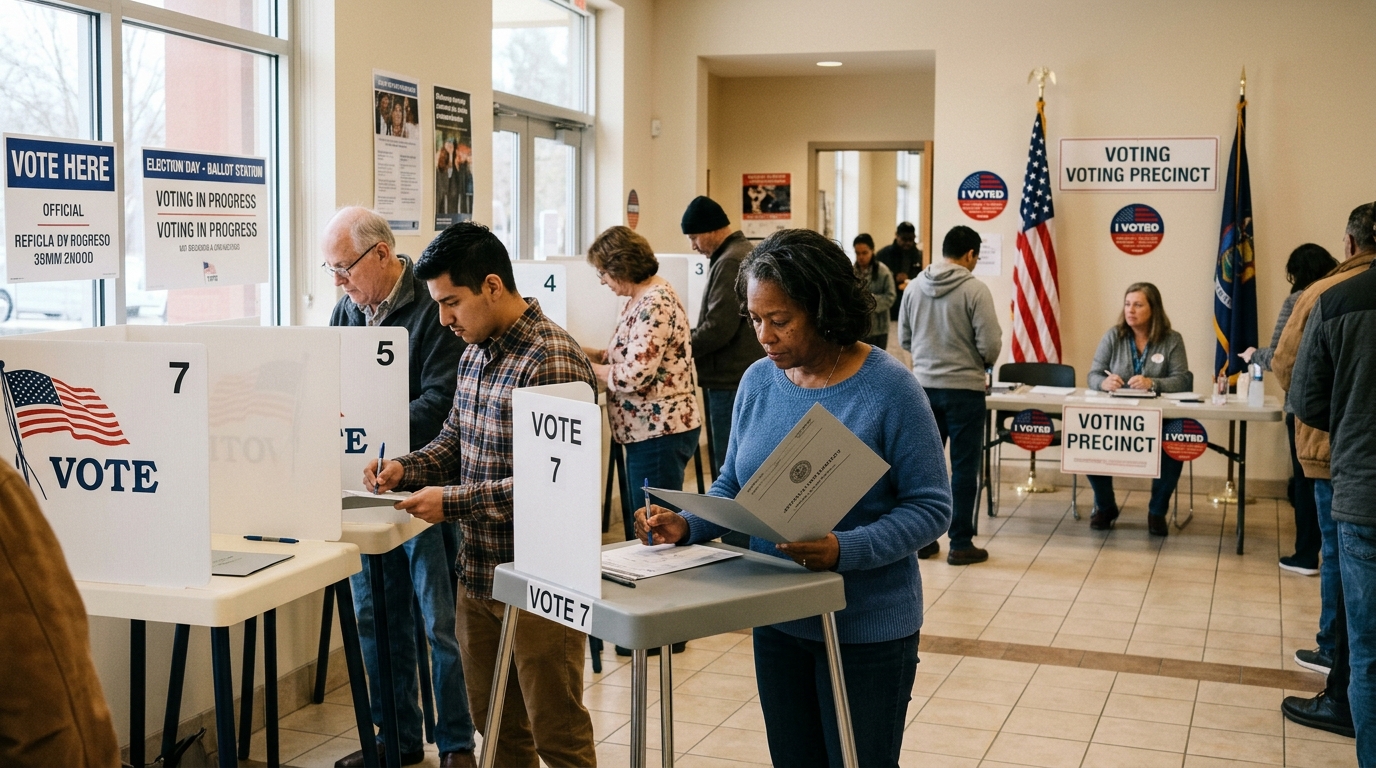
Exit polling conducted across competitive congressional districts revealed that over 68% of participating voters identified "affordability and cost of living" as their primary deciding factor, far surpassing immigration, national security, or climate policy.
Even as annualized inflation figures moderated from their peak rates, the cumulative price increases accumulated between 2021 and 2026 left working families feeling economically squeezed. The promise of economic stability failed to resonate with voters whose weekly grocery receipts and housing costs remained at historic highs.
2. Key Catalysts: What Moved the Swing Electorate
A. The Cumulative Grocery & Housing Squeeze
While economists frequently evaluate economic health through capital market returns and industrial output, everyday voters experience the economy at the supermarket checkout and through monthly mortgage and rental statements. In 2026, housing affordability reached its most restrictive index since the 1980s, effectively freezing first-time homebuyers out of the residential market due to sustained interest rates and elevated property valuations.
B. Foreign Entanglements and Middle East Conflict Fatigue
Foreign policy emerged as a potent secondary driver, particularly in battleground states with concentrated immigrant, minority, and working-class populations. Escalating tensions across the Middle East, sustained naval commitments in the Red Sea, and billions allocated toward foreign military financing stirred deep public skepticism across both progressive and conservative populist voting blocs. A growing coalition of voters questioned the prioritization of overseas defense packages while domestic infrastructure, Veterans Affairs facilities, and public healthcare clinics faced budgetary constraints.
C. The Emergence of AI Disruption as a Political Issue
For the first time in modern electoral history, Artificial Intelligence and technological displacement entered the top tier of voter priorities. Bi-partisan surveys leading up to the election revealed that:
- Approximately 79% of Americans expressed grave concern that generative AI and agentic software automation would shrink middle-management and professional entry-level jobs over the next five years.
- Over 72% of respondents believed federal regulatory bodies were woefully behind in establishing safety guardrails against algorithmic bias, surveillance, and automated worker displacement.
- In several swing districts across Virginia, Ohio, and Texas, grassroots protests against the enormous water and energy consumption of hyperscale AI data centers influenced local and state-level races.
3. The 120th Congress: Balance of Power & Legislative Gridlock
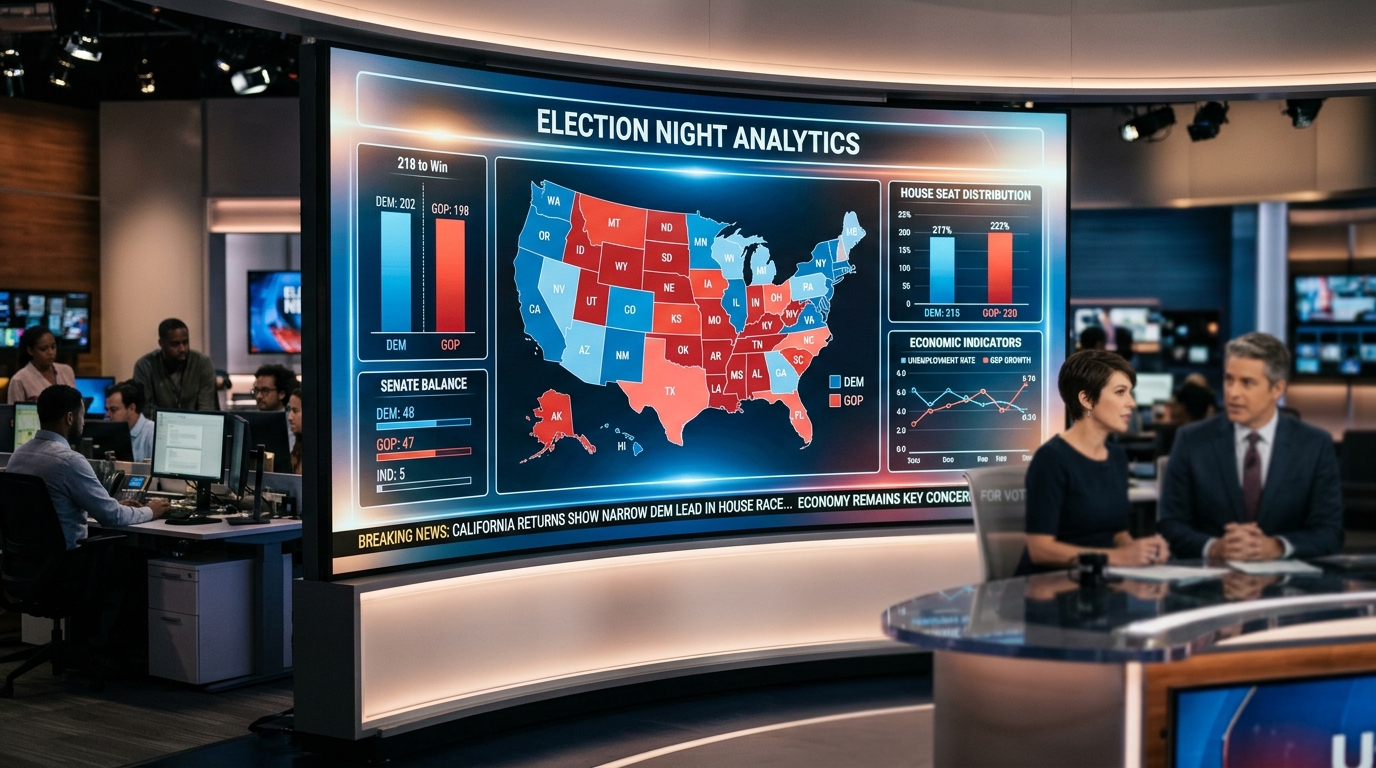
With the newly elected majorities taking command of Capitol Hill, Washington enters an era of high-stakes divided governance:
| Branch of Governance | Party Control & Majority | Strategic Focus & Institutional Power |
|---|---|---|
| Executive Branch (White House) | Conservative Administration | Reliance on unilateral Executive Orders, agency rule-making, foreign policy prerogative |
| House of Representatives | Opposition Majority | Power of the Purse, federal appropriations, investigative subcommittees, subpoena power |
| United States Senate | Narrow Opposition Control | Confirmation of federal judges, ambassadorial appointments, treaty ratifications |
What Divided Government Means in Practice:
- Intense Committee Oversight: Incoming committee chairs will immediately issue subpoenas targeting executive agency operations, regulatory rollbacks, procurement contracts, and trade tariff implementations.
- High-Stakes Fiscal Standoffs: Passing routine annual spending bills, continuing resolutions, and debt-ceiling adjustments will require intense bi-partisan compromises, heightening the periodic threat of federal government shutdowns.
- Judicial Confirmation Friction: Judicial vacancies across federal district courts and appellate circuits will face rigorous vetting and prolonged confirmation timelines in the Senate, forcing the administration to negotiate consensus nominees.
- Shift to Executive Actions: Because major sweeping statutory legislation faces virtually insurmountable barriers in a split Congress, the administration will increasingly govern through executive memoranda, trade proclamations, and regulatory directives.
4. Civic Mobilization: The Expanding Power of Diverse Coalitions
The 2026 midterms highlighted a structural evolution in American democratic participation: the rising influence of non-aligned and minority voting coalitions.
In critical swing regions — such as Wayne County in Michigan, Maricopa County in Arizona, and Gwinnett County in Georgia — Muslim, Arab-American, South Asian, and Latino voters demonstrated heightened independent mobility. Rather than adhering predictably to legacy party allegiances, these communities leveraged their concentrated electoral footprint to demand accountability on:
- Civil liberties and equal protection under the law.
- Equitable federal funding for public education and health clinics in underserved neighborhoods.
- Balanced, humanitarian foreign policies that prioritize peace and international law over unchecked militarism.
Civil rights groups, including CAIR, ISPU, and non-partisan voting initiatives, registered record numbers of first-time young voters, emphasizing that civic duty and democratic engagement are year-round obligations that extend far beyond simply casting a ballot every four years.
Conclusion: Constitutional Balance and Democratic Resilience
The 2026 United States midterm elections serve as a vivid reminder of the intentional design of the American constitutional framework. The founders deliberately engineered a system of checks and balances where no single political faction could exercise unbridled authority without continuous consultation and accountability.
As the nation approaches the 250th anniversary of its founding in 2026, the shift to divided government will test the maturity of its institutions. Progress will depend not on total victory or partisan scorched-earth tactics, but on the willingness of elected officials to discover common ground, address the genuine economic grievances of working citizens, and preserve the stability and integrity of the democratic republic.