

 QuranGPT
Saudi Arabia Halts East-West Pipeline Operations Following Cross-Border Drone Incursion
Saudi Arabia temporarily halts operations along the strategic East-West Petroline following a cross-border drone strike, sparking heightened energy market vigilance.
The Holy Quran Global Affairs & Energy Editorial Desk
Author
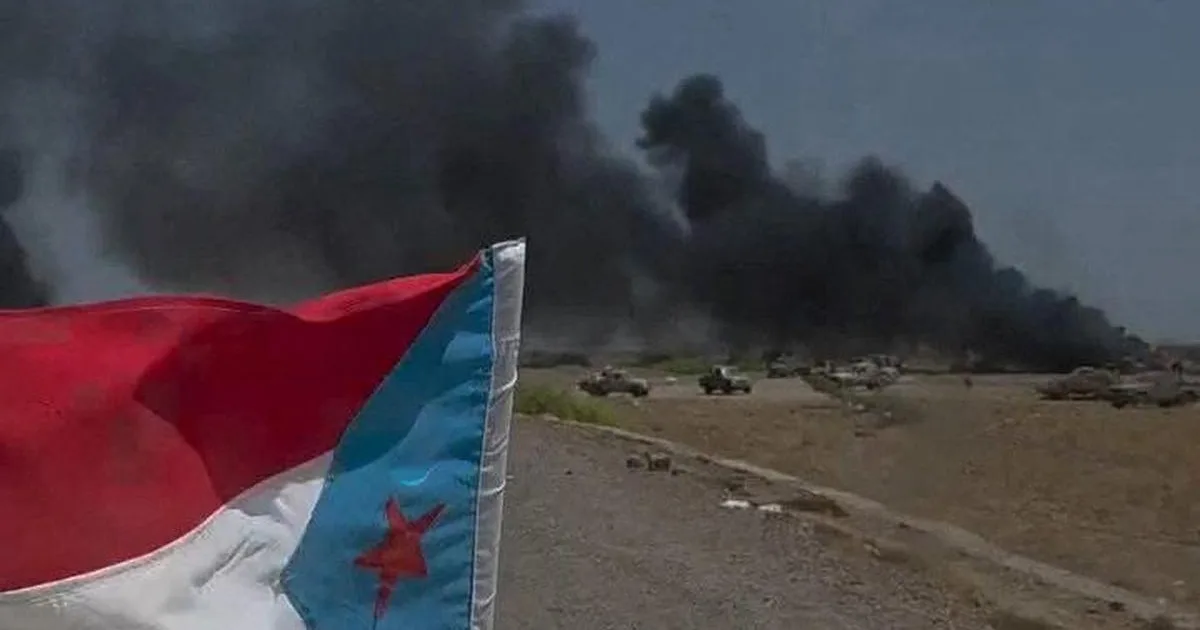
Saudi Arabia announced a temporary precautionary suspension of crude oil pumping operations along its vital East-West Pipeline (Petroline) following a targeted cross-border drone strike against a booster pumping facility. The incident has triggered immediate security reviews across Gulf energy infrastructure and focused international attention on the vulnerability of critical hydrocarbon transit routes.
The East-West Pipeline spans approximately 1,200 kilometers from the Eastern Province's hydrocarbon hub of Abqaiq to the Red Sea port of Yanbu, serving as the Kingdom's primary terrestrial bypass to avoid maritime passage through the strategic Strait of Hormuz.
1. Executive Summary: Strategic Significance of the East-West Petroline
The pipeline represents one of the world's most critical energy artery bypass systems:
| Infrastructure Metric | Technical Specification | Strategic Function |
|---|---|---|
| Total Length | 1,200 km (746 miles) dual pipeline | Connects Eastern fields to Western Red Sea terminals |
| Nameplate Capacity | 5.0 to 7.0 Million Barrels Per Day (BPD) | Bypasses maritime risks in the Strait of Hormuz |
| Export Terminal | Yanbu Industrial Port (Red Sea) | Direct loading onto VLCC tankers bound for Europe & Asia |
| Security Architecture | Multi-layered radar, drone defense, and desert patrols | Integrated protection across remote desert pumping stations |
2. Details of the Incursion and Emergency Response
According to official statements from the Saudi Ministry of Energy and defense authorities:
- Incident Scope: Armed unmanned aerial systems (UAS) targeted Pumping Station No. 8 along the pipeline corridor in the central desert region.
- Damage Assessment: Automated safety interlocks immediately shut down pipeline valves, containing fire damage to peripheral electrical transformers with zero reported casualties.
- Precautionary Measures: Pumping operations across the pipeline network were temporarily paused to permit engineering inspections, structural integrity verification, and drone defense calibration.
- Customer Deliveries Unaffected: Saudi Aramco activated redundant storage reserves at Yanbu and Ras Tanura to ensure zero disruption to scheduled export crude cargoes for international clients.
3. Impact on International Crude Oil and Gas Markets
The temporary disruption prompted immediate volatility in global benchmark futures, reflecting heightened market sensitivity to Middle Eastern energy infrastructure security:
Market Response Snapshot:
- Brent Crude Futures: Spiked 2.8% intraday to test upper resistance bands.
- Red Sea Freight Rates: War risk insurance premiums for Red Sea port calls adjusted upward.
- OPEC+ Consultations: Energy ministers conducted emergency bilateral calls to reaffirm collective supply stability commitments.
Energy analysts noted that Aramco's vast domestic storage buffers and diversified export terminal network successfully mitigated what could have otherwise evolved into a major global supply shock.
4. Modernizing Counter-UAS and Critical Infrastructure Defense
The attack underscores the rapidly evolving technological challenge posed by low-altitude, asymmetric drone threats against sprawling linear infrastructure assets. In response, regional defense forces are accelerating the deployment of:
- Directed Energy Weapon Systems (DEWS): High-power microwave and laser counter-drone systems deployed around critical oil-gas separators and pumping hubs.
- Autonomous Perimeter Surveillance: Long-range tethered drones and AI-driven thermal camera arrays for early detection of low-radar-cross-section intrusions.
- Hardened Subsurface Infrastructure: Reinforcement of sensitive valve nodes and power distribution units against kinetic shrapnel.
5. Frequently Asked Questions (FAQ)
What is the purpose of the Saudi East-West Pipeline?
The pipeline allows Saudi Arabia to transport crude oil from its eastern oil fields directly to the Red Sea port of Yanbu, providing a strategic bypass around the Strait of Hormuz chokepoint.
Did the drone strike cause long-term disruptions to global oil supply?
No. Automated shutdown systems prevented major pipeline damage, and Aramco utilized existing terminal stockpiles to fulfill all scheduled customer deliveries without disruption.
What measures are being taken to prevent future drone attacks on oil infrastructure?
Saudi authorities and energy operators are expanding multi-layered counter-UAS systems, including radar integration, electronic countermeasures, and localized air defense around key desert pumping stations.
6. Strategic Takeaways & Outlook
- Vital Role of Redundant Infrastructure: Having dedicated overland bypass pipelines and robust terminal storage is essential for maintaining global energy reliability during geopolitical crises.
- Asymmetric Threats Demand Next-Gen Defense: Protecting extensive linear assets requires transitioning from traditional perimeter fencing to integrated AI-powered drone detection and neutralization systems.
- Market Resilience: Despite initial headline-driven volatility, swift communication and operational redundancy prevented a sustained energy supply crisis.