

 QuranGPT
Red Sea and Bab el-Mandeb Chokepoint: Global Supply Chains Navigate Heightened Maritime Transit Risks
An in-depth analysis of maritime security dynamics across the Bab el-Mandeb strait, commercial shipping rerouting via the Cape of Good Hope, and global supply chain costs in 2026.
The Holy Quran Maritime Economics & Logistics Desk
Author
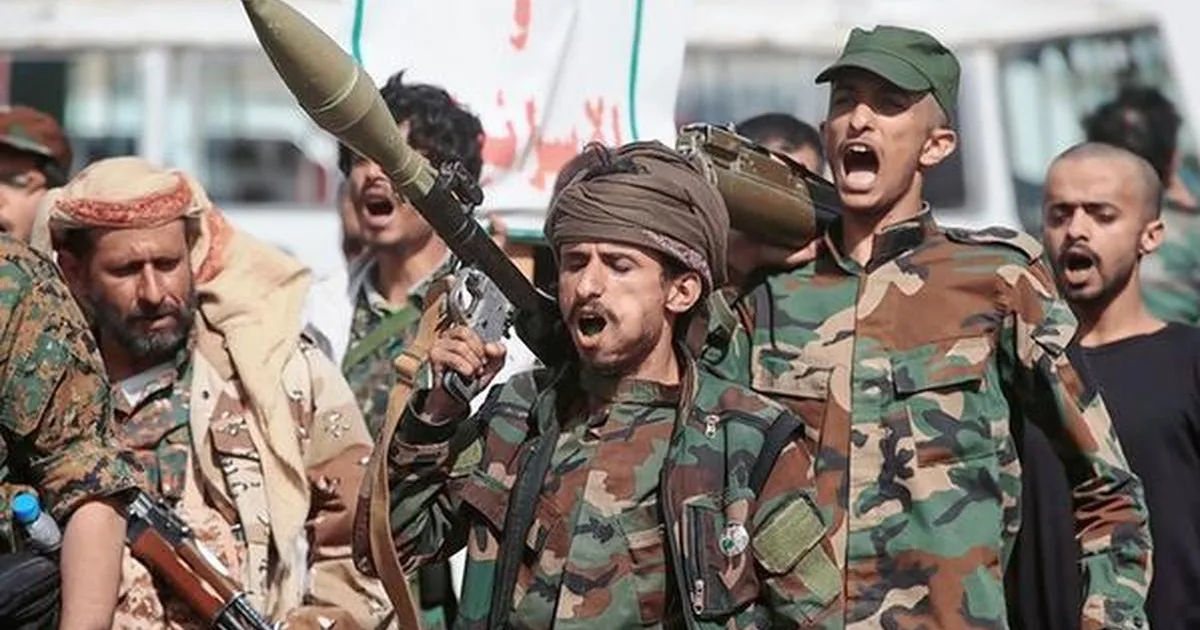
The strategic Bab el-Mandeb Strait—a narrow maritime chokepoint connecting the Gulf of Aden to the southern Red Sea—remains one of the most volatile and heavily contested shipping corridors in the world. With Yemen's Houthi movement maintaining persistent anti-ship ballistic missile and maritime drone capabilities along the coastline, the global maritime logistics sector has fundamentally restructured Asia-Europe and Asia-Mediterranean trade routes.
Rather than navigating the direct Suez Canal corridor, major international container carriers (including Maersk, MSC, CMA CGM, and Hapag-Lloyd) continue to divert substantial portions of their fleet around the Cape of Good Hope at the southern tip of Africa. This geographic detour adds 10 to 14 sailing days, inflates global bunker fuel consumption, and exerts persistent upward pressure on containerized freight rates.
1. Executive Summary: Comparing Maritime Transit Routes
The economic and operational trade-offs between the Suez Canal and Cape of Good Hope routes highlight the massive structural shift in global shipping:
| Route Metric | Direct Suez Canal Transit (via Bab el-Mandeb) | Diverted Cape of Good Hope Transit | Percentage Variance |
|---|---|---|---|
| Typical Sailing Distance (Shanghai to Rotterdam) | ~10,500 Nautical Miles | ~14,000 Nautical Miles | +33% Distance |
| Transit Duration | 25 to 28 Days | 36 to 42 Days | +35% to +50% Transit Time |
| Fuel (Bunker) Cost per Voyage | Standard baseline | +$400,000 to +$650,000 per round-trip | +45% Fuel Consumption |
| War Risk Insurance Premium | 0.7% to 1.2% of ship hull value | Zero combat war-risk surcharge | Avoids extreme insurance spike |
| Carbon Emissions per TEU | Standard efficiency | +25% to +35% CO2 emissions | Major climate target setback |
2. Asymmetric Maritime Warfare and Modern Naval Countermeasures
The tactical environment along the southern Red Sea has proven challenging for traditional naval task forces. The deployment of relatively low-cost asymmetric weaponry—such as anti-ship cruise missiles (ASCMs), loitering attack drones, and unmanned surface vessels (USVs)—forces international naval escort vessels to expend multi-million-dollar air defense interceptors:
Tactical Threat Profile in the Bab el-Mandeb:
1. Low-Altitude Drone Swarms: Cheap fiber-guided and GPS-guided loitering munitions.
2. Anti-Ship Ballistic Missiles (ASBMs): Fast-trajectory rocket strikes with terminal guidance seekers.
3. Remote Explosive USVs: Low-profile unmanned speedboats designed for waterline hull breaches.
4. Electronic Warfare & GPS Spoofing: Signal jamming disrupting commercial automatic identification systems (AIS).
3. Macroeconomic Ramifications Across Global Economies
The prolonged rerouting of global maritime freight has produced wide-ranging economic reverberations:
- Egypt and the Suez Canal Authority: Suffered an estimated 50 to 60 percent decline in monthly transit fee revenues, severely straining foreign currency reserves and balance of payments.
- European Import Inflation: Delayed deliveries of retail consumer goods, automotive parts, and industrial machinery have caused localized inventory shortages and warehouse congestion at Rotterdam, Hamburg, and Antwerp.
- African Port Congestion: Bunkering and transshipment ports along the African coast—including Durban, Port Louis, and Walvis Bay—have experienced severe berth congestion and fuel supply shortages catering to redirected container traffic.
- Asian Export Competitiveness: Exporters across India, China, Vietnam, and Malaysia face elevated container spot rates, extending working capital cycles for small and medium enterprises.
4. Strategic Alternatives and Multilateral Solutions
Global supply chain managers and national governments are accelerating investments into multimodal alternative corridors:
- India-Middle East-Europe Economic Corridor (IMEC): Renewed strategic urgency surrounding integrated rail-ship links bridging Indian west-coast ports to Arabian Gulf hubs, rail transit to Haifa, and maritime shipping to southern Europe.
- Trans-Caspian International Transport Route (Middle Corridor): Rail and ferry cargo flows through Central Asia, the Caspian Sea, and the Caucasus into Eastern Europe.
- Air-Sea Multimodal Hybrid Freight: Routing ocean freight to Dubai or Salalah, followed by priority airfreight dispatch to European gateways.
5. Frequently Asked Questions (FAQ)
Why is the Bab el-Mandeb Strait critical to global trade?
The Bab el-Mandeb is the southern gateway to the Red Sea and Suez Canal, through which approximately 12% of global trade and 30% of global container traffic traditionally transits.
How much extra time does rerouting around the Cape of Good Hope take?
Rerouting around the southern tip of Africa adds approximately 3,500 nautical miles and 10 to 14 additional sailing days depending on vessel cruising speed.
What are the main economic consequences of the shipping disruptions?
Consequences include higher freight rates, increased fuel and insurance expenditures, supply chain lead-time delays, reduced Suez Canal revenues for Egypt, and port congestion across southern Africa.
6. Strategic Takeaways & Outlook
- Vulnerability of Maritime Chokepoints: Modern global trade remains disproportionately dependent on narrow geographic straits vulnerable to asymmetric disruption.
- Supply Chain Redundancy is Essential: Logistics operators and manufacturers must institutionalize flexible multi-route strategies rather than relying on single-corridor just-in-time models.
- Acceleration of Land-Bridge Infrastructure: Persistent maritime insecurity will accelerate capital allocation into overland rail and multimodal freight infrastructure across Eurasia and the Middle East.