

 QuranGPT
The National Song Controversy: Rajnath Singh and Kapil Sibal Clash Over Vande Mataram Stanzas in Parliament
A comprehensive constitutional and political analysis of the heated national debate sparked by Defence Minister Rajnath Singh and Rajya Sabha MP Kapil Sibal over the historical singing of two stanzas versus the complete text of Bankim Chandra Chattopadhyay's Vande Mataram.
The Holy Quran Team
Author
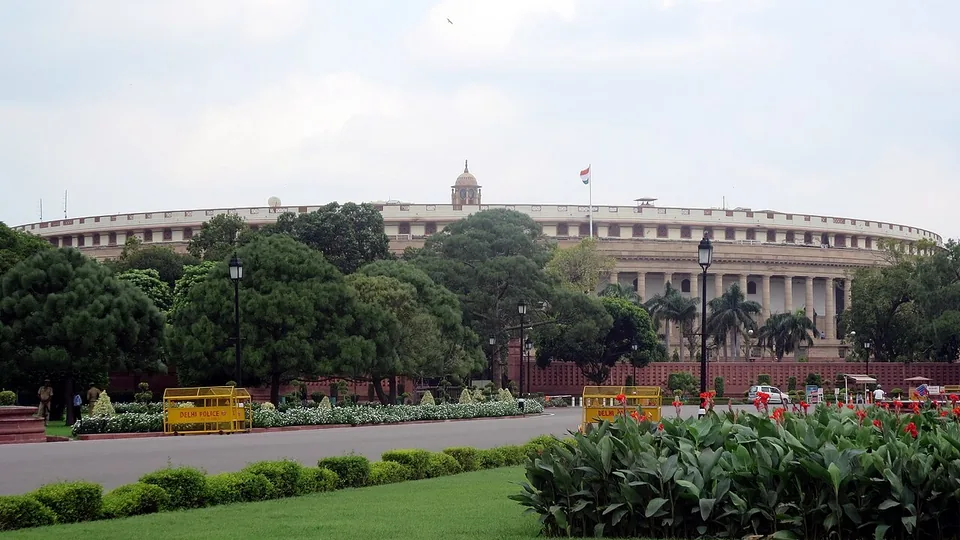
The National Song Controversy: Rajnath Singh and Kapil Sibal Clash Over Vande Mataram Stanzas in Parliament
A sharp political and ideological storm has erupted across the Indian political landscape following remarks by Union Defence Minister Rajnath Singh, who characterized the historical practice of singing only the first two stanzas of India’s National Song, Vande Mataram, as "unconstitutional, divisive, and anti-national".
The statement triggered an immediate and formidable rebuttal from eminent jurist and independent Rajya Sabha MP Kapil Sibal, who challenged the treasury benches to examine their own historical practices, noting that iconic Bharatiya Janata Party (BJP) leaders—including former Prime Minister Atal Bihari Vajpayee and Prime Minister Narendra Modi—have consistently adhered to the two-stanza convention at official state ceremonies, national parades, and parliamentary sessions.
The controversy touches upon the delicate historical consensus forged during the Indian Freedom Movement and formal resolutions adopted by the Constituent Assembly of India in January 1950.
1. Historical Genesis: The 1937 Congress Working Committee Resolution
To understand the legal and cultural nuances of the debate, one must examine the compromise formulated in October 1937 by the Indian National Congress Working Committee (CWC) in Kolkata, presided over by Subhas Chandra Bose, Jawaharlal Nehru, and Rabindranath Tagore:
graph TD
    A["Bankim Chandra Chattopadhyay (1875: Anandamath)"] --> B["Full 6-Stanza Poem: Rich in Puranic Deification of the Motherland"]
    B --> C["1937 CWC Consensus (Tagore, Nehru, Bose)"]
    C --> D["First 2 Stanzas Adopted: Universal Celebration of Rivers, Trees & Soil"]
    D --> E["Constituent Assembly Adoption (Jan 24, 1950 by Dr. Rajendra Prasad)"]
    E --> F["Equal Status with National Anthem (Jana Gana Mana)"]
The 1937 Formulation:
- The First Two Stanzas: Purely lyrical and non-sectarian, describing the motherland as richly watered (sujalam), fruit-bearing (suphalam), cooled by southern breezes (malayaja shitalam), and radiant with blooming flora (shashya shyamalam).
- The Subsequent Stanzas: Integrate specific iconography identifying the land with the deities Durga, Lakshmi, and Saraswati, which generated reservations among minority communities seeking a strictly secular patriotic anthem.
- Tagore’s Recommendation: Rabindranath Tagore, who first set the song to music in 1896, advised that the first two stanzas possessed universal emotional resonance uniting all Indians regardless of faith.
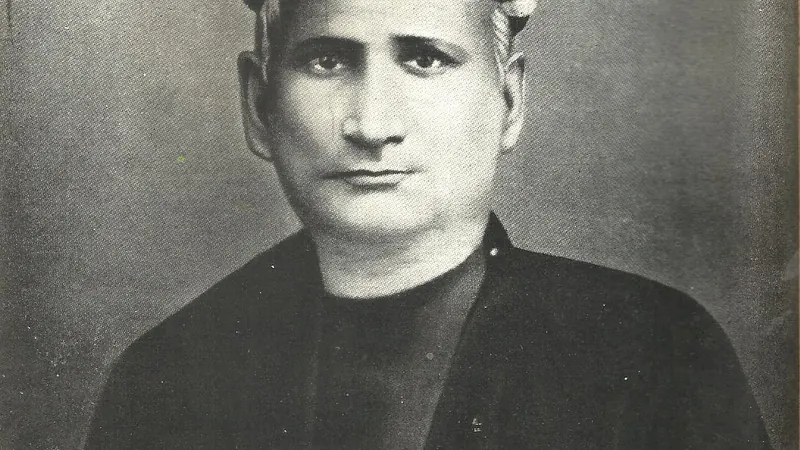 Bankim Chandra Chattopadhyay composed Vande Mataram in 1875, setting the stage for India's national song debate.
2. Parliamentary Clash: Key Arguments Exchanged
The confrontation between Rajnath Singh and Kapil Sibal highlights two conflicting interpretations of Indian national identity:
| Political Leader | Core Argument Presented | Historical / Legal Reference |
|---|---|---|
| Rajnath Singh (Defence Minister) | Truncating the song reflects colonial-era appeasement politics; the entire 6-stanza poem must be sung with unreserved patriotic devotion. | Bankim Chandra's original 1882 novel Anandamath and Swadeshi movement heritage. |
| Kapil Sibal (Senior Advocate & MP) | The two-stanza convention was codified by the Constituent Assembly under Dr. Rajendra Prasad and respected by Vajpayee and Modi. | Constituent Assembly Debates (Vol. XII, January 24, 1950). |
3. The 1950 Constituent Assembly Presidential Statement
On January 24, 1950, President of the Constituent Assembly Dr. Rajendra Prasad delivered the definitive constitutional statement regarding the National Anthem and National Song:
"The composition consisting of the words and music known as Jana Gana Mana is the National Anthem of India, subject to such alterations in the words as the Government may authorise as occasion arises; and the song Vande Mataram, which has played a historic part in the struggle for Indian freedom, shall be honoured equally with Jana Gana Mana and shall have equal status with it."
— Dr. Rajendra Prasad, Constituent Assembly of India
Crucially, the official Gazette notification issued by the Ministry of Home Affairs specifies that the official rendering of Vande Mataram consists of the opening two stanzas, lasting approximately 65 seconds.
4. Conclusion: Patriotism Through Unity, Not Division
Vande Mataram was the sacred battle-cry that inspired millions of Indian freedom fighters—from Ashfaqulla Khan and Bhagat Singh to Matangini Hazra and Subramania Bharati—to face colonial gallows with courage.
In a diverse, secular republic of 1.4 billion citizens, national symbols achieve their greatest power when they unite all communities in collective service to the constitution, rather than serving as instruments of partisan political polarization.