

 QuranGPT
From Rule-Takers to Rule-Shapers: PM Narendra Modi Outlines Global South Economic Vision at BRICS
Prime Minister Narendra Modi delivers a keynote address at the BRICS Summit, calling on Global South nations to transition from passive rule-takers to active global rule-shapers.
The Holy Quran National & Strategic Affairs Bureau
Author
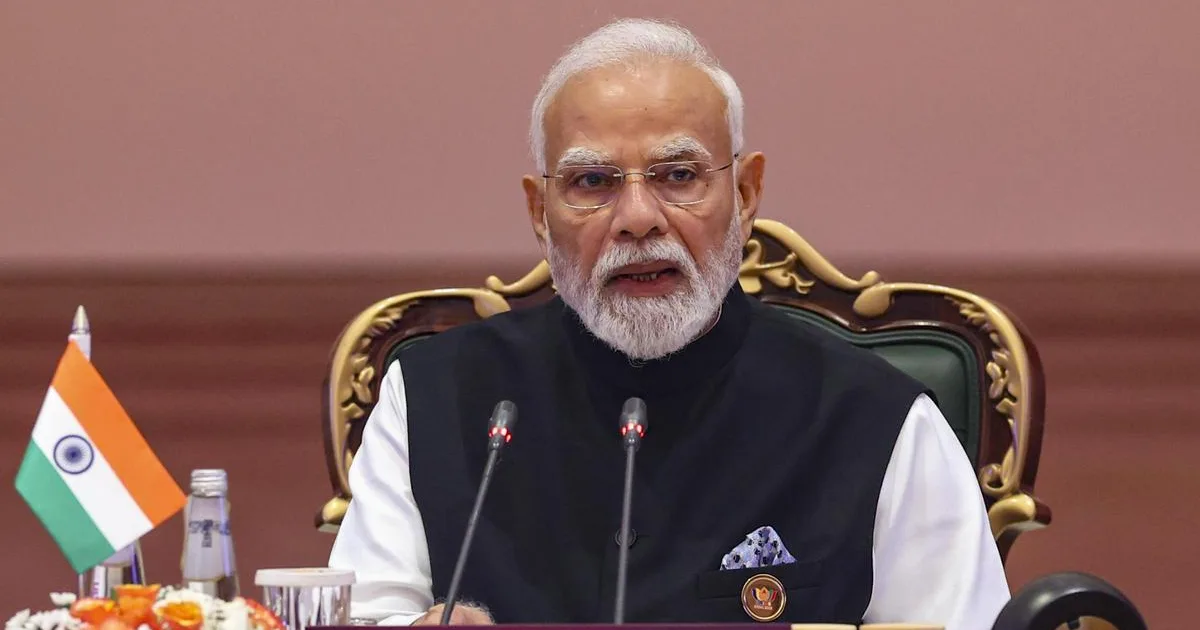
In a stirring and widely discussed keynote address during the opening plenary of the BRICS Summit in New Delhi, Prime Minister Narendra Modi articulated a transformative vision for developing economies, urging them to shed the legacy mindset of "rule-takers" and actively assume their rightful role as "rule-shapers" in defining the architecture of the 21st-century global order.
Addressing fellow heads of state, global policymakers, and business leaders at Bharat Mandapam, the Prime Minister asserted that the demographic vitality, technological innovation, and economic dynamism of the Global South must be directly reflected in global standard-setting across critical domains including digital technology, climate finance, green energy transitions, and multilateral trade.
1. Executive Summary: The Five-Point 'Rule-Shapers' Blueprint
Prime Minister Modi's address established a structured roadmap for emerging market leadership:
| Pillar of Leadership | Strategic Paradigm | Practical Initiatives Proposed |
|---|---|---|
| Digital Public Infrastructure (DPI) | Democratisation of open-source technology rails | Global rollout of India Stack, UPI, and modular identity systems |
| Clean Energy Sovereignty | Inclusive green transition without economic penalties | One Sun One World One Grid (OSOWOG) & Global Biofuels Alliance |
| Resilient Supply Chains | Trusted manufacturing and agricultural corridors | Decoupling essential supply routes from geopolitical choke points |
| Ethical AI & Space Tech | Human-centric innovation accessible to all nations | Open-access space telemetry & localized AI foundational models |
| Reformed Multilateralism | Democratic representation in global financial institutions | Binding timeline for UNSC permanent seat and IMF quota reforms |
2. Digital Public Infrastructure as an Equalising Force
A centerpiece of the Prime Minister's address was India's successful deployment of Digital Public Infrastructure (DPI) as a proven model for financial inclusion and efficient governance. Highlighting how platforms like UPI, Aadhaar, and DigiLocker transformed access for over 1.4 billion citizens, PM Modi offered these open, modular software architectures to all partner nations free of proprietary lock-in.
Key Impacts of the DPI Offer:
- Zero Licensing Overhead: Open-source digital rails tailored for developing economies.
- Direct Benefit Transfers: Eliminating leakage in welfare delivery for millions in need.
- Micro-Merchant Empowerment: Instant low-cost digital payment acceptance for informal traders.
3. Overcoming Historical Asymmetries in Global Governance
Prime Minister Modi addressed the structural deficits of legacy international institutions created in the mid-20th century. He argued that global institutions cannot retain legitimacy or solve contemporary global crises—such as pandemics, climate disasters, and supply-chain shocks—if they continue to exclude the very regions where the majority of humanity resides.
"The Global South has long endured the consequences of decisions made without its participation," the Prime Minister stated. "The time has arrived for our nations to contribute actively to framing the standards, regulations, and ethical guidelines that will govern the future of humanity."
4. International Resonance and Diplomatic Significance
The speech resonated powerfully among visiting delegations from Africa, Latin America, Southeast Asia, and the Middle East:
- African Union Envoys: Praised the emphasis on non-extractive partnerships, technology transfer, and domestic value addition in mineral-rich nations.
- Economic Analysts: Highlighted that India's advocacy balances assertive self-confidence with constructive engagement, positioning the country as an indispensable global interlocutor.
- Global Industry Leaders: Pointed to the immense commercial opportunities emerging from standardized digital payment linkages across emerging market corridors.
5. Frequently Asked Questions (FAQ)
What does PM Modi mean by transitioning from 'rule-takers to rule-shapers'?
It signifies that developing nations should no longer merely adapt to rules and standards dictated by legacy institutions, but must actively participate in designing international financial, technological, and environmental regulations.
What practical technologies did India offer to Global South partners at the summit?
India offered its complete Digital Public Infrastructure (DPI) framework, including open-source digital payment rails (UPI), verifiable digital identity systems, and health-tech platforms.
How does this vision relate to climate change and energy access?
The framework emphasizes that energy transition must be equitable, ensuring developing nations receive affordable financing and technology without sacrificing basic economic development.
6. Strategic Takeaways & Outlook
- Assertive Global South Leadership: India's diplomatic narrative firmly positions emerging economies as proactive standard-setters in international governance.
- Technology as a Public Good: The democratisation of digital public infrastructure serves as a scalable instrument for rapid socio-economic transformation across developing countries.
- Constructive Reformism: By advocating evolutionary reform of multilateral institutions, the address reinforces a balanced, cooperative approach to global problem-solving.