

 QuranGPT
The Battle for the Blue Nile: Ethiopia Advances Three New Hydropower Dams as Egypt Warns of Existential Water Security Crisis
A comprehensive East African hydropolitics, international river treaties, and water security report on Ethiopia announcing feasibility studies for three new mega-dams (Karadobi, Mandaya, Beko Abo) following the completion of the GERD, analyzing Egypt and Sudan's water quotas and Aswan High Dam dynamics.
The Holy Quran Team
Author
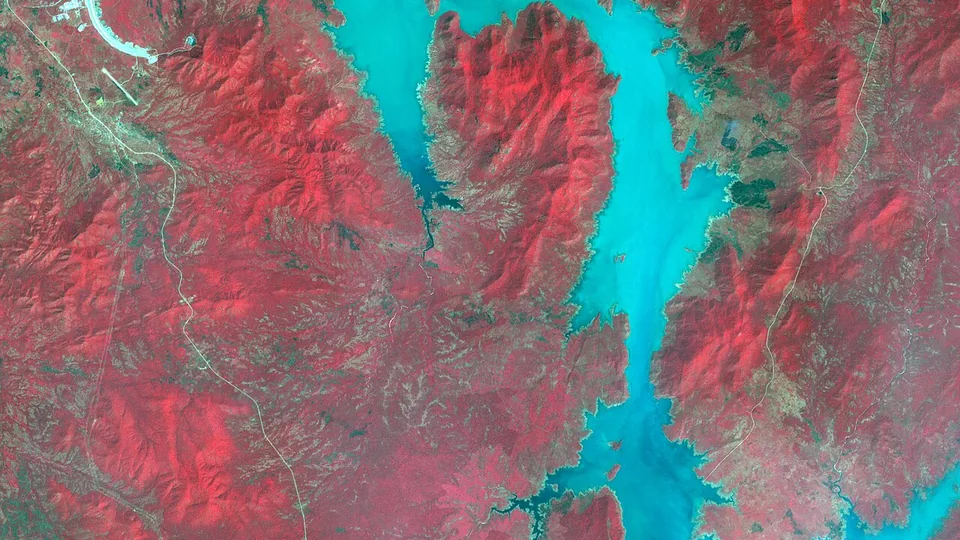
The Battle for the Blue Nile: Ethiopia Advances Three New Hydropower Dams as Egypt Warns of Existential Water Security Crisis
The long-simmering geopolitical dispute over the waters of the Nile Basin has entered a volatile new phase following the official announcement by the Ministry of Water and Energy of Ethiopia that Addis Ababa is accelerating engineering and environmental feasibility studies to construct three additional massive cascading hydroelectric dams—Karadobi (1,600 MW), Mandaya (2,000 MW), and Beko Abo (2,100 MW)—along the deep gorges of the Abbay (Blue Nile) River.
The announcement follows the complete structural filling and multi-turbine operationalization of the Grand Ethiopian Renaissance Dam (GERD)—Africa’s largest hydropower installation with a massive 74-billion-cubic-meter reservoir.
The move has triggered an immediate and furious diplomatic reaction from downstream Egypt and Sudan, with the government in Cairo condemning the unilateral cascade project as an "existential national security threat that directly endangers the freshwater supply and agrarian survival of over 110 million Egyptian citizens".
1. The Hydrological Geography of the Blue Nile Cascade
The Blue Nile originates in Lake Tana in the Ethiopian Highlands, descending through dramatic 1,000-meter-deep basalt canyons to contribute over 85% of the total annual water flow reaching Egypt:
graph LR
    A["Ethiopian Highlands (Lake Tana)"] --> B["Upstream Gorges: Karadobi, Beko Abo & Mandaya Dams (5,700 MW)"]
    B --> C["GERD Reservoir (74 Billion Cubic Meters Capacity)"]
    C --> D["Sudan (Roseires & Sennar Dams - Agricultural Irrigation)"]
    D --> E["Egypt: Lake Nasser & Aswan High Dam (Sole Source of 97% Potable Water)"]
    E --> F["Nile Delta Agricultural Breadbasket (Alexandria, Cairo)"]
Engineering Parameters of the Proposed Cascade:
- Total Hydropower Potential: Over 5,700 Megawatts of clean renewable electricity, positioning Ethiopia as the premier power exporter for the East African Power Pool (EAPP).
- Cumulative Water Storage: The combined reservoirs would hold an estimated 80+ billion cubic meters of water in addition to the GERD, granting Ethiopia absolute upstream hydrological control over the Nile flow.
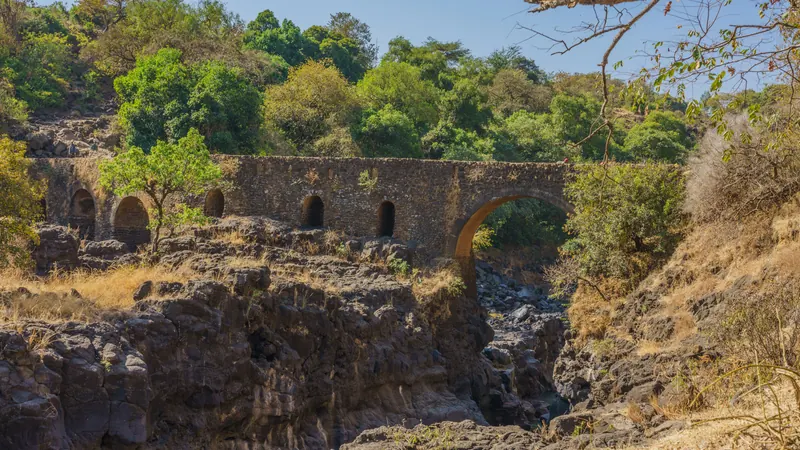 The Blue Nile River descends from the Ethiopian highlands, supplying over 85% of downstream flow.
2. Competing National Interests and Historical Treaties
The conflict is rooted in fundamentally irreconcilable legal and historical interpretations of international water rights:
| Basin State | Core National Demand | Legal & Historical Basis |
|---|---|---|
| Egypt | Legally binding treaty guaranteeing historical annual quota of 55.5 Billion Cubic Meters during prolonged multi-year droughts. | Colonial-era 1929 and 1959 Nile Water Agreements guaranteeing downstream historic rights. |
| Ethiopia | Sovereign right to utilize its sovereign natural water resources to eradicate extreme energy poverty and electrify 60M citizens. | Cooperative Framework Agreement (CFA - Entebbe Treaty) signed by upper riparian states. |
| Sudan | Real-time dam operational data sharing to protect Sudanese dams (Roseires) from sudden flood surges and siltation. | Transboundary river basin management protocols under international customary law. |
3. The Threat of Agricultural Collapse in the Nile Delta
For Egypt, the Nile is not merely an economic asset; it is the sole biological artery of the nation:
- Extreme Water Scarcity: Egypt’s per capita water share has plummeted to 500 cubic meters per year, far below the UN absolute water poverty threshold of 1,000 m³.
- Soil Salinization in the Delta: Any reduction in Nile freshwater flow allows Mediterranean seawater to infiltrate coastal aquifers, permanently destroying millions of acres of fertile wheat, cotton, and citrus farmlands.
- Aswan Dam Turbine Shutdowns: Significant drops in Lake Nasser water levels would reduce hydroelectric power output from the Aswan High Dam, triggering nationwide electrical rationing.
4. Conclusion: From Water Warfare to Shared Prosperity
The Nile River is the shared cradle of human civilization. It has sustained the peoples of Africa for ten thousand years.
The path forward cannot lie in military posturing or unilateral resource monopolization. True stability demands a binding, equitable multilateral agreement that guarantees Ethiopia’s rightful economic development while safeguarding the timeless, existential water security of Egypt and Sudan.