

 QuranGPT
The Neuroscience of Shukr (Gratitude): How Praising Allah Rewires Brain Chemistry
Explore the neurobiology of Shukr (Islamic gratitude) — how Al-Hamdulillah stimulates dopamine, serotonin, and prefrontal neuroplasticity to conquer anxiety.
The Holy Quran Team
Author
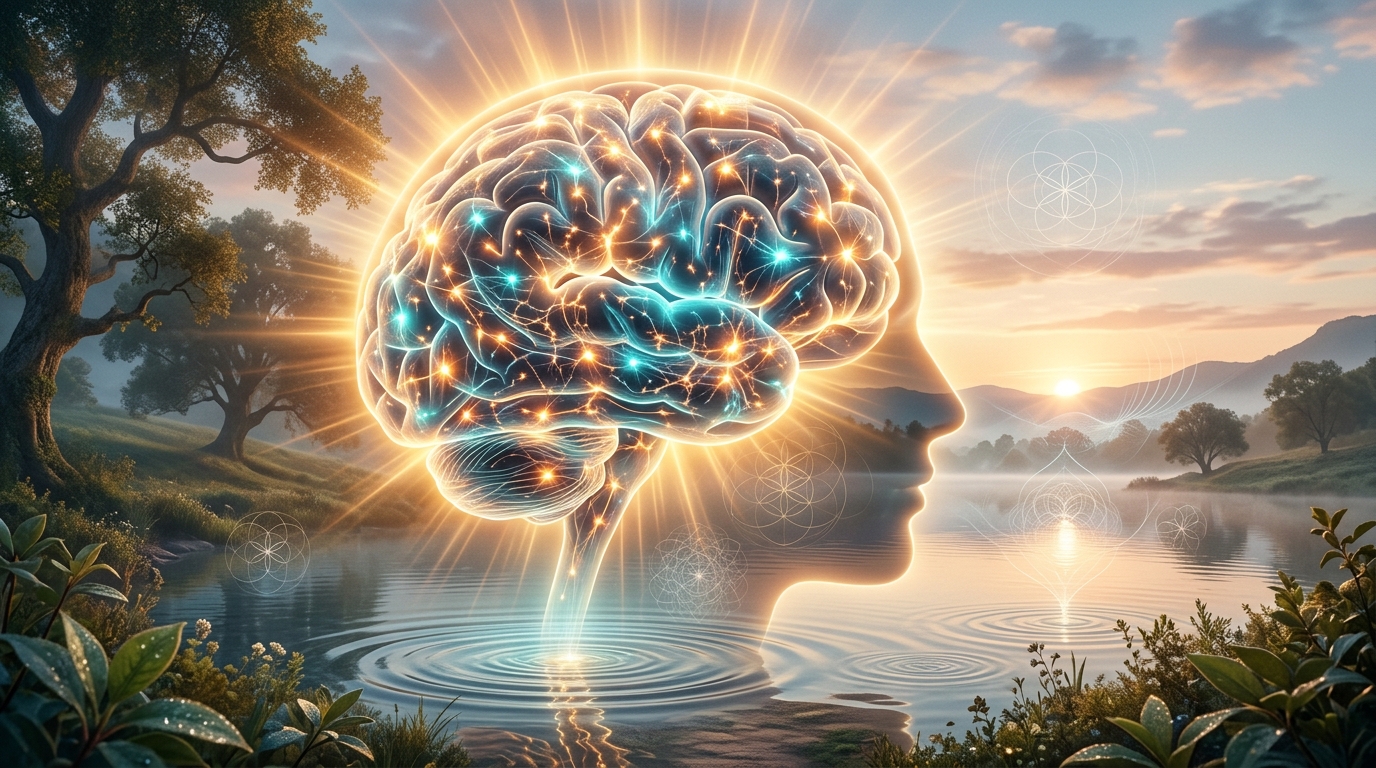
In the modern digital era, the human brain is under relentless sensory assault. Algorithmic feeds, hyper-consumerism, and relentless social comparison constantly trigger the brain's evolutionary "negativity bias"—the primal tendency to fixate on scarcity, threats, and unmet desires. This perpetual state of mental dissatisfaction elevates baseline stress hormones, driving unprecedented rates of clinical anxiety, chronic restlessness, and emotional burnout.
While modern positive psychology and cognitive neuroscience celebrate daily "gratitude journaling" as a breakthrough mental health intervention, the Holy Quran embedded the comprehensive science of gratitude—Shukr—into the daily spiritual life of a Muslim over fourteen centuries ago.
In Islam, gratitude is not a fleeting emotional reaction to good fortune; it is an active, structural state of consciousness that transforms the mind, heart, and neurobiology of the believer.
وَإِذْ تَأَذَّنَ رَبُّكُمْ لَئِن شَكَرْتُمْ لَأَزِيدَنَّكُمْ ۖ وَلَئِن كَفَرْتُمْ إِنَّ عَذَابِي لَشَدِيدٌ
"And [remember] when your Lord proclaimed, 'If you are grateful, I will surely increase you [in favor]; but if you deny, indeed, My punishment is severe.'"
— Surah Ibrahim (14:7)
The divine promise in Surah Ibrahim (14:7) ("La'in shakartum la-azeedannakum") operates on spiritual, psychological, and physiological levels: when you actively practice Shukr, Allah expands your blessings, your emotional capacity, and the neural architecture responsible for peace and joy.
1. The Neurochemical Cascade of Al-Hamdulillah
When a believer engages in sincere, mindful gratitude—uttering Al-Hamdulillah (All praise and thanks are due to Allah) with conscious reflection (Hudhur al-Qalb)—a synchronized cascade of beneficial neurotransmitters is released across key brain structures.
وَاللَّهُ أَخْرَجَكُم مِّن بُطُونِ أُمَّهَاتِكُمْ لَا تَعْلَمُونَ شَيْئًا وَجَعَلَ لَكُمُ السَّمْعَ وَالْأَبْصَارَ وَالْأَفْئِدَةَ ۙ لَعَلَّكُمْ تَشْكُرُونَ
"And Allah has extracted you from the wombs of your mothers not knowing a thing, and He made for you hearing and vision and intellect that perhaps you would be grateful."
— Surah An-Nahl (16:78)
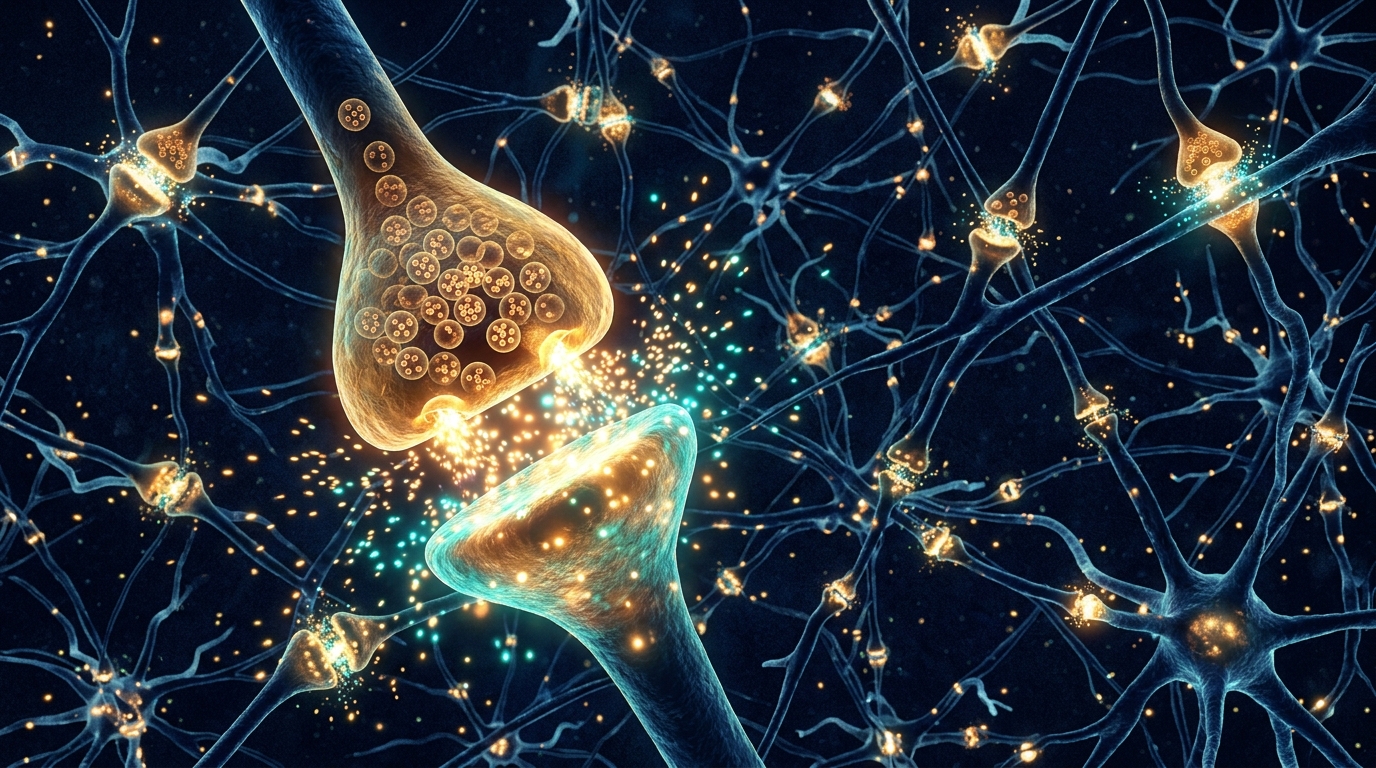
A. Dopamine: The Intrinsic Reward Loop
Neuroimaging studies (such as research published in Frontiers in Human Neuroscience by Fox et al., 2015) demonstrate that expressing gratitude activates the Ventral Tegmental Area (VTA) and the Nucleus Accumbens—the core components of the brain's dopamine reward pathway.
- Unlike artificial dopamine spikes induced by social media notifications or material consumption (which quickly crash and cause dopamine receptor downregulation), the dopamine released during contemplative Shukr produces stable, intrinsic contentment.
- In accordance with Hebb's Law ("neurons that fire together, wire together"), regularly praising Allah conditions the brain to proactively seek out and appreciate blessings.
B. Serotonin: Mood Stabilization & Antidepressant Synthesis
Practicing gratitude stimulates the Dorsal Raphe Nucleus within the brainstem, enhancing the production of serotonin. Serotonin regulates mood, sleep cycles, and emotional equilibrium. By consciously shifting cognitive attention toward divine gifts, Shukr naturally elevates serotonin levels in the anterior cingulate cortex, functioning as an organic neurological antidepressant.
C. Oxytocin & Endorphins: Interpersonal Warmth & Peace
When gratitude is expressed socially toward others ("Whoever does not thank people does not thank Allah", Sunan Abi Dawud #4811), the hypothalamus secretes oxytocin. Often called the "bonding hormone," oxytocin fosters deep interpersonal trust, reduces social anxiety, and enhances immune resilience.
2. Structural Neuroplasticity: Rewiring Away From Scarcity
The brain is not a static organ; through neuroplasticity, its physical circuits reshape based on repetitive cognitive patterns. Chronic complaining (Takhattut) and envy (Hasad) strengthen the neural pathways of the amygdala, making the brain hypersensitive to perceived threats and deprivations.
Conversely, intentional Shukr reconfigures the brain’s physical wiring:
وَلَقَدْ آتَيْنَا لُقْمَانَ الْحِكْمَةَ أَنِ اشْكُرْ لِلَّهِ ۚ وَمَن يَشْكُرْ فَإِنَّمَا يَشْكُرُ لِنَفْسِهِ ۖ وَمَن كَفَرَ فَإِنَّ اللَّهَ غَنِيٌّ حَمِيدٌ
"And We had certainly given Luqman wisdom [and said], 'Be grateful to Allah.' And whoever is grateful is grateful for [the benefit of] himself. And whoever denies [His favor] - then indeed, Allah is Free of need and Praiseworthy."
— Surah Luqman (31:12)
Strengthening the Medial Prefrontal Cortex (mPFC)
In a landmark neuroimaging study published in NeuroImage (Kini et al., 2016), researchers found that individuals who engaged in structured gratitude practices exhibited significantly greater neural modulation in the medial prefrontal cortex (mPFC).
- The mPFC is the command center for executive functioning, emotional regulation, and long-term planning.
- Remarkably, this neural enhancement persisted for months after the intervention, proving that gratitude physically alters neural sensitivity toward positivity and calm.
Calming the Hyperactive Amygdala
The amygdala is the brain’s fear and stress alarm. Gratitude acts as a neurological dampener on the Hypothalamic-Pituitary-Adrenal (HPA) axis:
- It significantly reduces circulating cortisol (the primary stress hormone).
- It lowers resting heart rate and blood pressure by activating the parasympathetic nervous system via the vagus nerve.
- It diminishes systemic inflammatory markers, such as Interleukin-6 (IL-6) and C-Reactive Protein (CRP).
3. The Prophetic Paradigm of Shukr: Beyond Circumstance
In secular positive psychology, gratitude is frequently contingent upon receiving pleasant outcomes. In the Islamic paradigm, however, Shukr is an existential posture maintained even during trials.
The Grateful Servant (Abdan Shakura)
The Prophet Muhammad ﷺ demonstrated the pinnacle of spiritual and psychological resilience through his nightly devotion:
Narrated Aisha (may Allah be pleased with her):
The Prophet ﷺ used to stand in prayer at night until his feet became swollen and cracked. I said to him, "Why do you do this, O Messenger of Allah, when Allah has forgiven your past and future sins?"
He replied:
"أَفَلَا أَكُونُ عَبْدًا شَكُورًا"
"Should I not be a grateful servant?"
— Sahih al-Bukhari #4837, Sahih Muslim #2820
For the Prophet ﷺ, worship was not a transactional plea driven by anxiety; it was the ultimate overflowing expression of thanksgiving (Shukr).
The Cognitive Reframing of Comparison
Modern social media encourages "upward social comparison"—looking at those who possess more wealth, beauty, or status—which triggers acute feelings of inadequacy. The Prophet ﷺ provided the ultimate psychological antidote:
Narrated Abu Hurairah (may Allah be pleased with him):
The Messenger of Allah ﷺ said:
"Look at those who are beneath you (in worldly matters) and do not look at those who are above you, for that is more suitable so that you do not underestimate the blessings of Allah upon you."
— Sahih Muslim #2963, Sahih al-Bukhari #6490
Cognitive psychologists identify this technique as downward counterfactual thinking, a powerful mental heuristic that instantly resets the brain’s hedonic adaptation baseline, generating immediate gratitude and relief.
4. The Three Dimensions of Islamic Shukr
Classical Islamic scholar Imam Ibn al-Qayyim (Madarij al-Salikin) outlined that true Shukr is realized through three interconnected human faculties:
| Dimension | Arabic Term | Neurological / Cognitive Action | Practical Application |
|---|---|---|---|
| Gratitude of the Heart | Shukr bil-Qalb | Internal acknowledgment of divine beneficence; dampens amygdalar fear. | Practicing Tafakkur (mindful reflection) on unseen blessings (health, safety, air). |
| Gratitude of the Tongue | Shukr bil-Lisan | Auditory and verbal activation of Broca’s area and dopamine pathways. | Reciting authentic morning and evening Adhkar and frequently saying Al-Hamdulillah. |
| Gratitude of the Limbs | Shukr bil-Jawarih | Somatomotor cortex engagement; translates positive emotion into prosocial action. | Performing voluntary prayers (Sujud ash-Shukr), giving charity (Sadaqah), and helping others. |
5. Daily Quranic Protocols to Rewire Your Brain for Gratitude
To harness both the spiritual rewards and neurobiological benefits of Shukr, integrate these evidence-based Prophetic habits into your daily routine:
فَاذْكُرُونِي أَذْكُرْكُمْ وَاشْكُرُوا لِي وَلَا تَكْفُرُونِ
"So remember Me; I will remember you. And be grateful to Me and do not deny Me."
— Surah Al-Baqarah (2:152)
1. The Morning Waking Reset
Upon opening your eyes, immediately recite the Sunnah awakening supplication:
"Al-hamdu lillahi alladhi ahyana ba'da ma amatana wa ilayhi an-nushur" ("All praise is for Allah who gave us life after causing us to die, and to Him is the resurrection" — Sahih al-Bukhari #6312).
Neurological Benefit: Primes the prefrontal cortex with gratitude before the default mode network (DMN) can wander toward daily anxieties.
2. Sujud ash-Shukr (The Prostration of Gratitude)
Whenever you receive joyful news or overcome a difficulty, immediately drop into prostration (Sujud ash-Shukr).
Neurological Benefit: Physical prostration increases cerebral blood flow, stimulates the vagus nerve, and anchors emotional relief to humility before the Creator.
3. Savoring the Micro-Blessings (Tafakkur)
Before consuming meals or drinking water, pause to reflect on the intricate ecological and biological systems that brought sustenance to your table. Saying Bismillah at the beginning and Al-Hamdulillah at the end transforms an automatic biological act into a mindful neural reset.
Conclusion
Gratitude in Islam is not merely a polite social convention; it is a sacred technology of the soul and the mind. When you open your heart and tongue with Al-Hamdulillah, you are not only fulfilling a divine obligation, but you are also actively reshaping your neural architecture—calming your stress circuits, replenishing your mood-regulating neurotransmitters, and opening the door to Allah's promised abundance.
Make Shukr your default cognitive setting, and watch your inner peace, mental clarity, and spiritual life expand beyond measure.