

 QuranGPT
The Neurobiology of True Dreams (Ar-Ru'ya) & Sleep Consciousness: How REM Neuroscience Intersects Surah Az-Zumar (39:42)
Explore how 2026 REM sleep neuroscience, hippocampal memory consolidation, and neural consciousness intersect the Quranic description of sleep and the Prophetic taxonomy of dreams.
The Holy Quran Team
Author
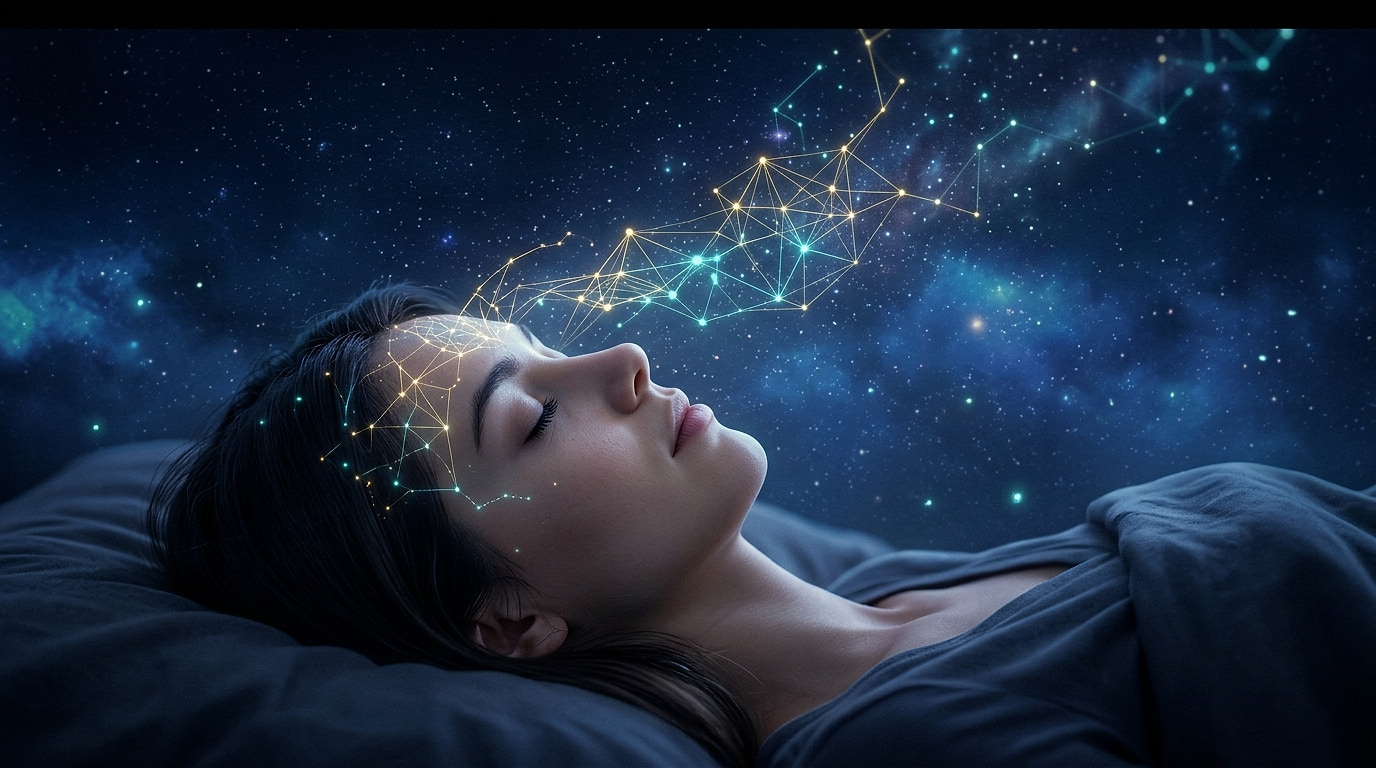
Every single night, human beings spend roughly one-third of their existence entering an extraordinary altered state of consciousness. As the eyelids close and external sensory input fades, skeletal muscles enter temporary paralysis while the brain fires with metabolic intensity rivaling — and sometimes exceeding — full waking awareness. Inside this hidden nocturnal theater, humans witness vivid narrative worlds, solve complex mathematical or creative dilemmas, confront deep existential fears, and occasionally experience startlingly coherent insights that unfold into real life days or weeks later.
Throughout the 20th century, reductionist psychology dismissed dreams either as repressed unconscious impulses or random firing of erratic brainstem neurons (activation-synthesis hypothesis). Yet in 2026, cutting-edge sleep laboratories at Harvard Medical School, MIT, and Stanford have fundamentally overturned that simplistic dismissiveness. Advanced polysomnography, high-density EEG, and real-time fMRI reveal that Rapid Eye Movement (REM) sleep represents an intricate, hyper-organized nocturnal processing hub vital for memory consolidation, emotional regulation, and non-linear cognitive insight.
Remarkably, over fourteen centuries before the discovery of REM sleep in 1953, the Holy Quran framed biological sleep as a profound metaphysical frontier where human consciousness temporarily decouples from the physical body — while the Prophet Muhammad ﷺ articulated a precise, three-part taxonomy of dreams that maps cleanly onto modern neurocognitive classification.
1. Sleep as "The Minor Death": Surah Az-Zumar (39:42)
In modern neurology, consciousness does not simply "shut off" like a light switch during sleep; rather, neurochemical gates decouple executive physical control from internal conscious experience. The prefrontal cortex dims its strict reality-monitoring filters while deeper subcortical networks converse freely.
Fourteen centuries ago, the Quran established an astonishing parallel between physical sleep and ultimate departure from the body:
ٱللَّهُ يَتَوَفَّى ٱلْأَنفُسَ حِينَ مَوْتِهَا وَٱلَّتِى لَمْ تَمُتْ فِى مَنَامِهَا ۖ فَيُمْسِكُ ٱلَّتِى قَضَىٰ عَلَيْهَا ٱلْمَوْتَ وَيُرْسِلُ ٱلْأُخْرَىٰٓ إِلَىٰٓ أَجَلٍۢ مُّسَمًّى ۚ إِنَّ فِى ذَٰلِكَ لَءَايَٰتٍۢ لِّقَوْمٍۢ يَتَفَكَّرُونَ
Surah Az-Zumar (39:42): "Allah takes the souls at the time of their death, and those that do not die [He takes] during their sleep. Then He keeps those for which He has decreed death and releases the others for a specified term. Indeed in that are signs for a people who give thought."
Classical Quranic commentators such as Imam Ibn Kathir noted that this verse classifies sleep as Al-Wafat al-Sughra ("the minor departure/death"): the conscious soul (Nafs) temporarily loosens its tether from the physical senses during sleep, allowing it to traverse a different plane of perception (Alam al-Mithal), before returning instantaneously upon waking.
2. Inside the REM Brain: Theta Waves, Hippocampal Replay & Prefrontal Shutdown
Modern sleep architecture cycles roughly every 90 minutes through Non-REM (N1, N2, deep slow-wave N3) and REM sleep. During REM sleep, remarkable neurophysiological shifts occur:
- Pons-Geniculate-Occipital (PGO) Waves: Electrical bursts shoot from the brainstem through the thalamus directly into the visual cortex, generating vivid photorealistic imagery in total darkness.
- Dorsolateral Prefrontal Deactivation: The brain's logical "fact-checker" and time-keeper powers down, allowing memory associations across distant life chapters to merge effortlessly without skeptical censorship.
- Limbic & Amygdala Surge: The emotional centers operate up to 30% hotter than during waking hours, stripped of stress-inducing norepinephrine — creating a biologically safe chemical bath in which the mind processes trauma without panic.
- Hippocampal-Neocortical Replay: Theta oscillations coordinate rapid replay of daytime experiences, embedding vital memories into permanent neural architecture.
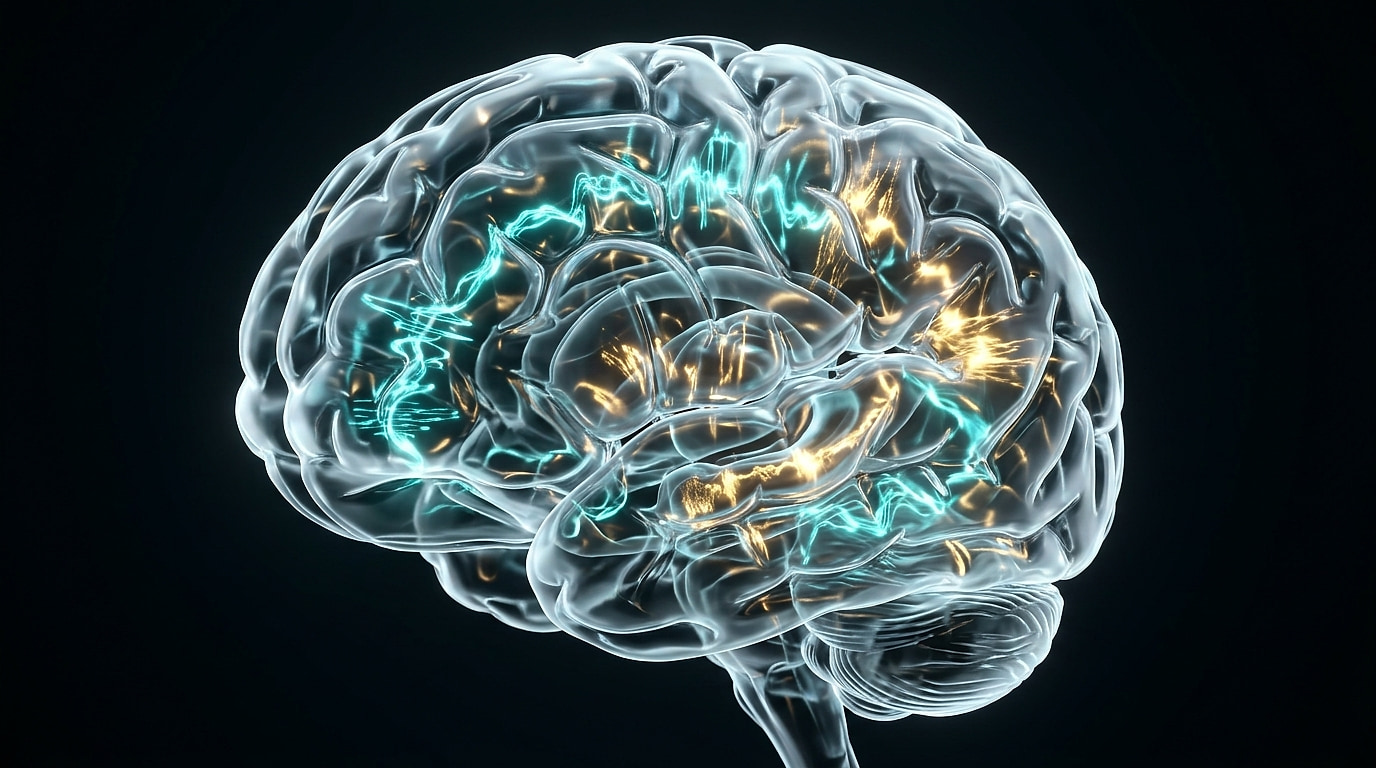
Yet neurobiology still hits an explanatory boundary: while fMRI explains emotional memory shuffling and threat rehearsal, it cannot fully account for veridical or precognitive dreams — vivid, crystal-clear symbolic visions containing knowledge completely inaccessible to the dreamer's waking mind.
3. The Prophetic Taxonomy of Dreams: Sahih Muslim #2263
While popular modern cultures either treat all dreams as mystical omens or dismiss all dreams as meaningless neurological static, the Prophet Muhammad ﷺ established an intellectually balanced, three-tier diagnostic framework that cleanly resolves the debate.
As narrated by Abu Hurairah (may Allah be pleased with him):
The Messenger of Allah ﷺ said:
"When the time draws near, a believer's dream can hardly be false. And the truest vision will be of one who is himself the most truthful in speech... And dreams are of three types: a good dream which is good tidings from Allah (Ru'ya Saliha); a distressing dream which causes pain from Shaytan (Hulum); and a third one which is a suggestion/reflection of one's own mind (Hadith an-Nafs)."
(Sahih Muslim #2263a)
Compare this classical Prophetic taxonomy with modern cognitive psychology:
| Dream Category | Arabic Classification | Source & Mechanism | Modern Scientific / Psychological Parallel |
|---|---|---|---|
| Type 1: Righteous Vision | Ar-Ru'ya as-Sadiqah (الرؤيا الصادقة) | Spiritual inspiration, clarity, or glad tidings from Allah | Lucid coherence, intuitive insight, non-local informational clarity |
| Type 2: Mind Chatter | Hadith an-Nafs (حديث النفس) | Subconscious playback of daytime worries, memories, and desires | Hippocampal memory consolidation, waking day-residue replay |
| Type 3: Distressing Nightmare | Hulum (حلم) | Emotional agitation, chaos, fear, or spiritual whispering | Limbic hyperactivity, threat simulation, fragmented cortisol nightmares |
The Quran beautifully showcases an example of Type 1 (True Prophetic Vision) in the opening of Surah Yusuf, where a symbolic dream carried precise historical blueprints years before their physical realization:
إِذْ قَالَ يُوسُفُ لِأَبِيهِ يَٰٓأَبَتِ إِنِّى رَأَيْتُ أَحَدَ عَشَرَ كَوْكَبًۭا وَٱلشَّمْسَ وَٱلْقَمَرَ رَأَيْتُهُمْ لِى سَٰجِدِينَ
Surah Yusuf (12:4): "[Of these stories mention] when Joseph said to his father, 'O my father, indeed I have seen [in a dream] eleven stars and the sun and the moon; I saw them prostrating to me.'"
4. Why "One Part of Forty-Six"?
One of the most cited narrations in classical dream scholarship comes from 'Ubada ibn as-Samit (may Allah be pleased with him):
The Prophet ﷺ said:
"The good dreams of a faithful believer are one part of the forty-six parts of Prophethood."
(Sahih al-Bukhari #6987)
Classical historians and scholars including Imam Ibn Hajar al-Asqalani noted a striking mathematical link behind the number 46:
- The Prophetic mission of Muhammad ﷺ spanned 23 years (276 total months).
- For the initial 6 months prior to the direct appearance of Angel Jibril in the Cave of Hira, revelation began exclusively through crystal-clear, true dreams that unfolded exactly like the break of dawn (Sahih al-Bukhari #3).
- 6 months divided by 276 total months equals exactly 1 / 46.
Although direct legislative revelation (Wahy) concluded with the passing of the Prophet ﷺ, the experiential window of true, comforting dreams (Mubashshirat) remains open to sincere, truthful believers. Notice also the crucial link in Sahih Muslim #2263a: "the truest dream belongs to the one most truthful in speech." Modern psychology confirms that individuals living with integrated values, emotional honesty, and minimal cognitive dissonance exhibit far higher neural coherence during deep REM cycles.

5. The Sunnah Protocol for Sleep & Unfavorable Dreams
Modern sleep medicine emphasizes reducing blue-light exposure, stress journaling, and regulating the autonomic nervous system before bed. The Prophetic Sunnah established an analogous neuro-spiritual checklist over a millennium ago:
- Wudu & Parasympathetic Cleansing Before Sleep: Performing ablution (Wudu) cools peripheral skin receptors, lowers heart rate, and prepares the brain for rapid slow-wave sleep induction.
- Clearing Waking Rumination (Adhkar an-Nawm): Reciting Ayat al-Kursi (2:255), Surah Al-Ikhlas, Al-Falaq, and An-Nas shifts neural focus away from anxious daytime rumination (Default Mode Network chatter) toward calm surrender (Tawakkul).
- Sleeping on the Right Side: Clinically shown to minimize mechanical pressure on the heart and promote optimal vagal nervous balance and airway patency.
- How to Handle a Disturbing Dream (Hulum): In Sahih Muslim #2263, the Prophet ﷺ gave explicit cognitive-behavioral instructions that prevent trauma reinforcement:
- Never narrate or dwell on a nightmare to others (preventing memory re-consolidation).
- Lightly blow/dry-spit to the left side three times and seek refuge in Allah.
- Change sleeping posture (physically interrupting the REM motor loop).
- If distress lingers, rise and offer two brief units of prayer (Salah), anchoring the prefrontal cortex back into calm waking agency.
Far from being primitive folklore, the Quranic architecture of sleep and dreams harmonizes seamlessly with 21st-century sleep neurobiology — honoring both the measurable biological mechanics of the human brain and the boundless unseen horizons of the soul.