

 QuranGPT
Jamia Millia Islamia Administration and Student Representatives Open Dialogue on Hostel Infrastructure and Campus Welfare
The Jamia Millia Islamia administration convenes high-level consultative meetings with student representatives to address hostel accommodation, mess facilities, and campus safety.
The Holy Quran Higher Education & Student Welfare Desk
Author
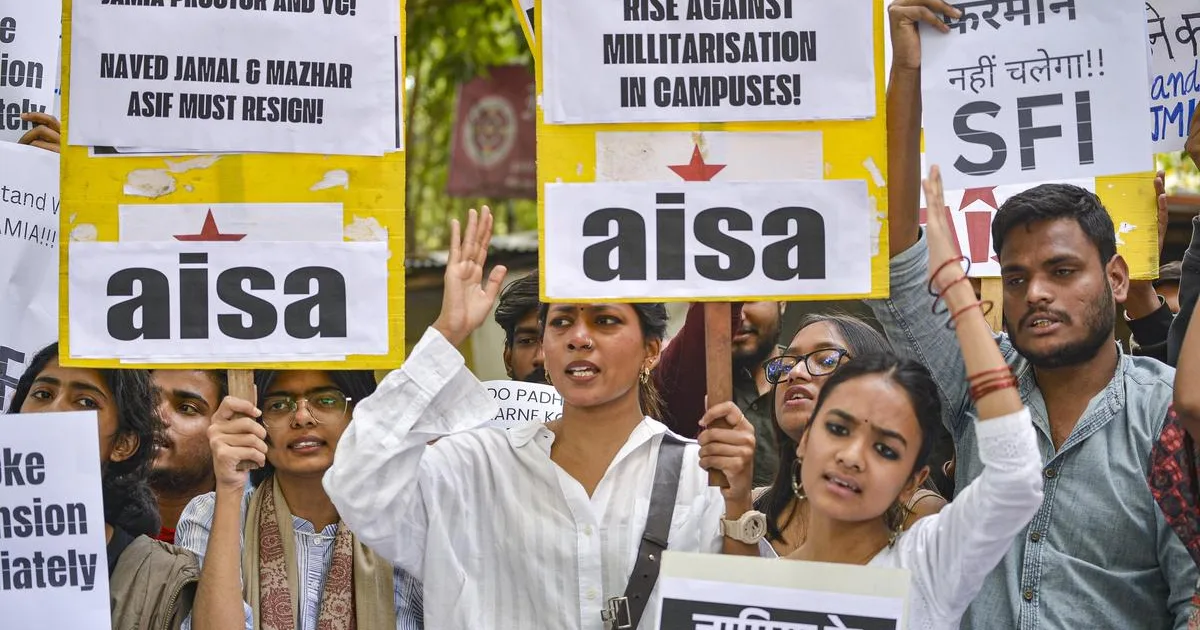
Following days of peaceful campus demonstrations and student representations, the administration of Jamia Millia Islamia (JMI) in New Delhi convened a structured consultative dialogue with student union representatives, hostel residents, and academic deans to formulate an actionable roadmap for resolving long-standing hostel accommodation deficits, mess fee rationalisation, and campus security protocols.
The constructive engagement between university authorities and student delegates marks an important step toward institutional harmony, ensuring that student welfare concerns are systematically addressed while maintaining the university's vibrant academic calendar and research environment.
1. Executive Summary: Core Demands and Administrative Action Plan
The consultative committee established a multi-point agreement addressing primary student welfare priorities:
| Student Welfare Domain | Core Issues Raised | Agreed Administrative Roadmap |
|---|---|---|
| Hostel Seat Allocation | Acute shortage of residential capacity for outstation students | Fast-track commissioning of two newly constructed multi-story hostel wings |
| Mess Fee Rationalisation | Inflationary rise in monthly mess dues impacting low-income scholars | Transparent student-run mess oversight committees & food subsidies |
| Campus Mobility & Safety | Late-night library access and campus security check-in protocols | Automated digital ID access & extended 24/7 library operating hours |
| Healthcare Facilities | Need for upgraded emergency medical staff and ambulance availability | Deployment of additional medical officers and tied-up specialty hospitals |
| Allotment Transparency | Inconsistencies in merit-cum-means hostel seat allotments | Digitized real-time seat matrix published on public university portal |
2. Context and Factors Driving the Campus Demonstrations
Jamia Millia Islamia, one of India's premier central universities with an 'A++' accreditation from the National Assessment and Accreditation Council (NAAC), attracts tens of thousands of meritorious students from all Indian states and international partner countries:
- Residential Capacity Constraints: While university academic enrollments have grown steadily across undergraduate, postgraduate, and doctoral programs, hostel infrastructure expansion had faced delays during recent construction cycles.
- Private Rental Pressures: High rental costs and security concerns in adjacent residential neighborhoods (such as Batla House, Jamia Nagar, and Okhla) placed substantial financial strain on students from socio-economically marginalized backgrounds.
- Student Advocacy: Student groups (including AISA, SFI, and independent hostel collectives) organized peaceful sit-ins demanding transparent timeline commitments from the university administration.
3. Key Outcomes of the Consultative Deliberations
The joint communique released by the Office of the Registrar and student delegations outlined immediate and medium-term deliverables:
Immediate Deliverables (Within 30 Days):
1. Commissioning of New Blocks: Handover of 600 additional hostel beds across the girls' and boys' residential campuses.
2. Transparent Seat Allotment: Publication of waitlists with clear merit-cum-means criteria to eliminate administrative discretion.
3. Extended Library Timings: Full 24/7 access to the Dr. Zakir Husain Central Library reading halls during mid-term and end-term examinations.
4. Promoting Constructive University Governance
Academic administrators and higher education experts noted that proactive, empathetic dialogue between university leadership and student bodies is essential for maintaining institutional excellence:
- Institutional Grievance Redressal: Establishing permanent monthly consultative forums between student hostel monitors and the Provost's office prevents localized administrative grievances from escalating into campus-wide disruptions.
- Focus on Research and Academics: Restoring regular campus routines ensures that scholars can concentrate on research publications, international conferences, and competitive placements.
5. Frequently Asked Questions (FAQ)
What were the primary reasons for the student protests at Jamia Millia Islamia?
Students protested to demand increased hostel accommodation capacity, transparent seat allocation rules, rationalized mess fees, and improved 24/7 library access.
How did the university administration respond to the students' demands?
The administration opened direct consultative talks, agreeing to commission new hostel wings, extend library hours, publish digitized seat matrices, and establish student mess committees.
When will the new hostel facilities be operational?
University engineering officials confirmed that the newly constructed residential wings will be commissioned within 30 to 45 days, adding hundreds of new beds for outstation scholars.
6. Strategic Takeaways & Outlook
- Dialogue Over Confrontation: Constructive consultation between university administrations and student representatives is the most effective approach to solving campus infrastructure challenges.
- Prioritising Student Welfare: Ensuring affordable residential accommodation and nutritious food is fundamental to academic excellence in higher education.
- Institutional Transparency: Public, digitized allotment processes build trust and eliminate administrative discretion in university hostel governance.