

 QuranGPT
Iran President Pezeshkian Asserts Middle East Needs No External Policeman
Iranian President Masoud Pezeshkian delivers a landmark address asserting that West Asian security must be guaranteed by regional sovereign nations without foreign intervention.
The Holy Quran Global Affairs & Diplomatic Desk
Author
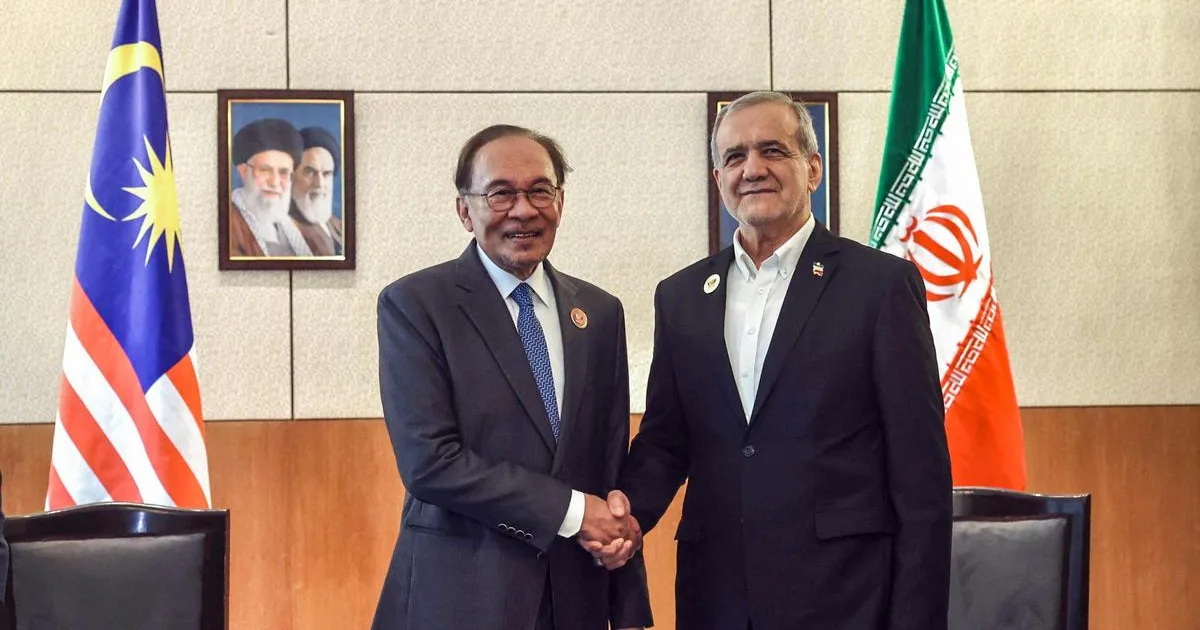
In a definitive statement outlining Tehran's foreign policy trajectory, Iranian President Masoud Pezeshkian declared that the long-term stability and territorial integrity of West Asia must be guaranteed by the sovereign nations of the region themselves, rejecting the historical premise of external powers acting as regional "policemen."
Addressing high-level regional delegates and international media, President Pezeshkian underscored that decades of foreign military interventions and unilateral sanctions have exacerbated regional friction rather than fostering durable peace. The administration's diplomatic doctrine advocates for direct dialogue, mutual non-aggression understandings, and joint economic integration among Middle Eastern neighbours.
1. Executive Summary: Core Tenets of the Pezeshkian Doctrine
President Pezeshkian's security thesis centers on institutionalising indigenous regional security architectures:
| Doctrine Component | Strategic Objective | Operational Mechanism |
|---|---|---|
| Indigenous Security Architecture | Elimination of foreign military dependencies | Joint maritime and border security dialogues |
| Gulf Normalisation | Consolidation of ties with GCC states | Expansion of the Beijing-brokered Iran-Saudi detente |
| Economic Connectivity | Regional trade corridor development | International North-South Transport Corridor (INSTC) |
| Nuclear Diplomacy | Sanctions relief through verifiable diplomacy | Constructive re-engagement with IAEA oversight frameworks |
2. Diplomatic Re-engagement with Gulf Neighbours
A central pillar of the current administration's strategy is the deepening of diplomatic ties with member states of the Gulf Cooperation Council (GCC), building upon the diplomatic reconciliation initiated with Saudi Arabia.
Recent diplomatic exchanges between Tehran, Riyadh, Doha, and Muscat have focused on:
- Maritime Security in the Persian Gulf: Establishing de-escalation hotlines and shared navigational safety protocols for commercial shipping vessels through the Strait of Hormuz.
- Investment and Energy Cooperation: Exploring joint energy exploration projects, cross-border grid synchronisation, and bilateral investment treaties to spur non-oil commerce.
- Conflict De-escalation: Facilitating diplomatic mediation channels to address regional flashpoints and humanitarian crises across the Levant and Yemen.
3. The Impact of External Military Interventions
President Pezeshkian's remarks directly addressed the historical pattern of foreign military presences in the Middle East. He argued that sustainable security cannot be imported or enforced through external power projection, emphasizing that security is indivisible: the security of one nation cannot be achieved at the expense of its neighbours.
Key Thematic Pillars of the Address:
1. Sovereign Inviolability: Respect for established international borders and rejection of extraterritorial military operations.
2. Regional Dialogue Forums: Creation of institutionalized annual security summits bringing together all West Asian sovereign states.
3. Economic Interdependence: Utilizing shared infrastructure, water management, and renewable energy grids as hedges against military conflict.
4. International Reaction and Diplomatic Pathways
The declaration has elicited nuanced responses from global capitals:
- Regional Capitals: Gulf states have cautiously welcomed the emphasis on bilateral diplomacy and de-escalation, while emphasizing the necessity of verifiable confidence-building measures.
- Asian Partners: Major Asian energy importers, including India and China, have reiterated their support for regional stability, freedom of commercial navigation, and diplomatic resolutions to multilateral disputes.
- Western Observers: Western analysts observe that while diplomatic rhetoric emphasizes regional harmony, tangible breakthroughs will require sustained progress on maritime security, transparency, and multilateral nuclear non-proliferation compliance.
5. Frequently Asked Questions (FAQ)
What is the core message of President Pezeshkian's security address?
President Pezeshkian asserted that West Asian territorial integrity and security must be safeguarded solely by the countries within the region through collective dialogue and mutual trust, without relying on external military powers.
How does this affect Iran's relations with Saudi Arabia and the GCC?
The address reaffirms Iran's commitment to diplomatic normalisation with GCC states, promoting joint regional dialogue forums, commercial partnerships, and maritime communication channels.
What role does economic diplomacy play in Iran's new strategy?
Economic connectivity—particularly through trade corridors, energy cooperation, and cross-border infrastructure—is positioned as the primary mechanism for preventing conflict and generating shared prosperity.
6. Strategic Takeaways & Outlook
- Shift Toward Regional Self-Reliance: West Asian geopolitical dynamics are increasingly characterized by regional capitals taking direct ownership of mediation and diplomatic dispute resolution.
- Prioritisation of Economic Stability: Facing domestic and international economic headwinds, regional powers are prioritizing commercial corridors and energy trade over prolonged ideological confrontation.
- Complex Path to De-escalation: While diplomatic overtures signal positive momentum, establishing durable security architectures requires sustained transparency, trust-building, and multilateral cooperation.