

 QuranGPT
The Science of Intermittent Fasting: Autophagy, Cellular Rejuvenation, and the Prophetic Sunnah
Explore the molecular biology of intermittent fasting, cellular autophagy, insulin sensitivity, and how modern medical science validates the Prophetic fasting routine.
The Holy Quran Team
Author
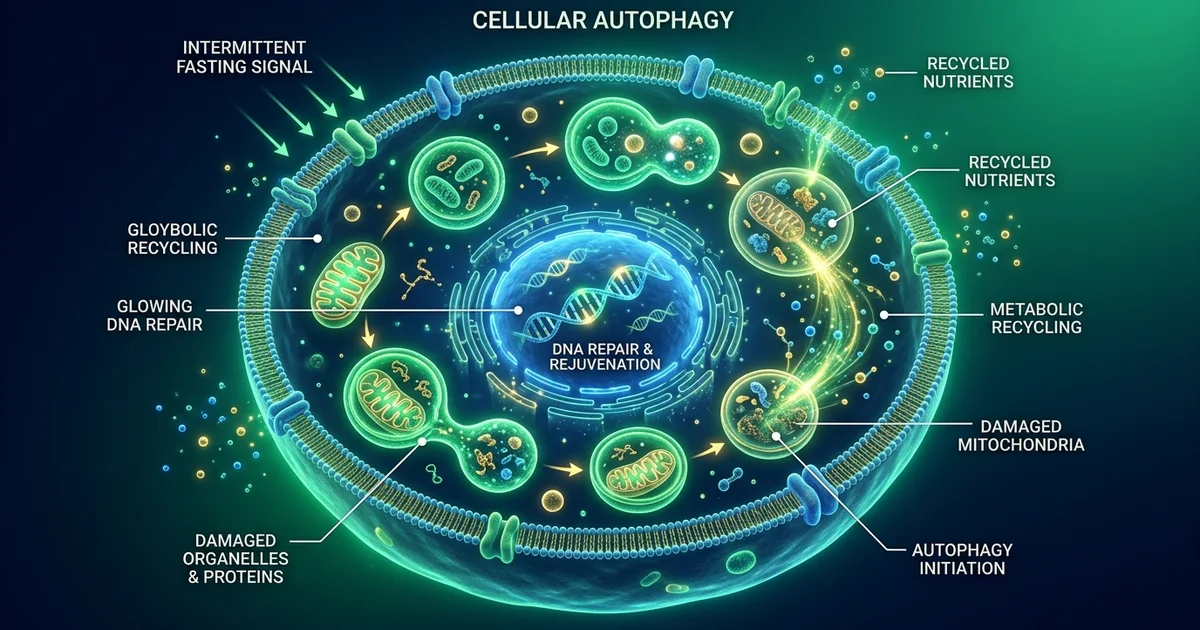
In 2016, Japanese cell biologist Dr. Yoshinori Ohsumi was awarded the Nobel Prize in Physiology or Medicine for his groundbreaking discoveries unraveling the molecular mechanisms of autophagy (derived from the Greek words auto meaning "self" and phagein meaning "to eat"). Autophagy is the human body's evolutionary cellular recycling program: a sophisticated internal cleaning mechanism wherein cells systematically dismantle, digest, and recycle damaged proteins, oxidized mitochondria, and dysfunctional cellular debris.
Modern clinical research has established that the primary metabolic trigger for robust autophagy is fasting—specifically intermittent abstinence from caloric intake for 12 to 18 consecutive hours. For over 1,400 years, Islamic tradition has prescribed this precise physiological regimen not only as an obligatory annual spiritual discipline during Ramadan, but as an enduring weekly and monthly lifestyle through the Sunnah fasts of Mondays, Thursdays, and the "White Days" (Ayyam al-Beed).
1. Executive Summary: The Cellular & Metabolic Cascade of Fasting
When the human body transitions from a fed state to a fasted state, it undergoes a coordinated series of neuroendocrine and metabolic adaptations:
| Fasting Stage (Hours) | Metabolic State & Hormonal Shift | Cellular Biological Process Triggered | Clinical Health Benefits |
|---|---|---|---|
| 0 to 4 Hours | Postprandial digestion; elevated blood glucose and insulin | Exogenous glucose utilized for immediate ATP energy | Glycogen storage in liver and skeletal muscles |
| 4 to 8 Hours | Insulin levels fall; glucagon rises | Liver initiates glycogenolysis (glycogen breakdown) | Normalization of systemic blood sugar levels |
| 8 to 12 Hours | Liver glycogen depleted; lipolysis begins | Adipose tissue releases free fatty acids into circulation | Initiation of fat burning; mild ketone synthesis |
| 12 to 16 Hours | Metabolic Switching: AMPK activation, mTOR inhibition | Autophagy Initiation: Lysosomes engulf damaged organelles | Clearance of misfolded proteins; mitochondrial biogenesis |
| 16 to 24 Hours | Deep systemic autophagy; peak ketone production | DNA repair enzymes activated; stem cell regeneration | Reduction in systemic CRP inflammation; enhanced insulin sensitivity |
2. Autophagy: The Body's Internal Cellular Recycling Engine
Inside every living human cell, metabolic processes inevitably generate cellular waste: misfolded protein aggregates, damaged mitochondrial fragments, and intracellular pathogens. If allowed to accumulate, this biological debris triggers chronic inflammation, accelerated cellular senescence, and increases the risk of neurodegenerative disorders (such as Alzheimer's and Parkinson's) and metabolic diseases.
During nutritional fasting:
- mTOR Suppression & AMPK Activation: The cellular nutrient-sensing enzyme mTOR (mammalian target of rapamycin) is deactivated due to the absence of amino acids and insulin, while the energy-sensor AMPK (AMP-activated protein kinase) is activated.
- Autophagosome Formation: Double-membrane vesicles called autophagosomes engulf cellular waste and fuse with lysosomes containing digestive enzymes.
- Molecular Recycling: The degraded cellular components are converted into fresh amino acids and fatty acids, fueling the creation of pristine new cellular structures.
The Autophagy Cellular Cycle:
Cellular Nutrient Deprivation ➔ mTOR Inactivation ➔ Autophagosome Sequestration
➔ Lysosomal Enzymatic Digestion ➔ Recycled Amino Acids & Mitochondrial Renewal
3. The Prophetic Blueprint: 5:2 Intermittent Fasting and Ayyam al-Beed
The contemporary wellness movement has popularized various fasting protocols—such as the 16/8 method and the 5:2 diet (fasting two non-consecutive days per week). Remarkably, this matches the exact lifestyle practiced and recommended by the Prophet Muhammad ﷺ over fourteen centuries ago:
-
Monday and Thursday Fasting (5:2 Protocol):
The Prophet ﷺ was asked about fasting on Mondays and Thursdays, and he replied: "Those are two days in which deeds are presented to the Lord of the worlds, so I love that my deeds be presented while I am fasting."
— Sunan an-Nasa'i (2358) -
Ayyam al-Beed (The White Days - 13th, 14th, 15th of the Lunar Month):
Abu Dharr narrated: "The Messenger of Allah ﷺ commanded us to fast three days of every month: the thirteenth, fourteenth, and fifteenth."
— Jami' at-Tirmidhi (761)
Clinical studies in chronobiology and metabolic health demonstrate that fasting two days per week prevents hepatic steatosis (fatty liver disease), restores pancreatic beta-cell sensitivity, and reduces insulin resistance without lowering basal metabolic rate.
4. Quranic Reflections on Physical and Spiritual Vitality
The Holy Quran highlighted the intrinsic biological and spiritual benefit of fasting long before the advent of modern biochemistry:
"And to fast is better for you, if only you knew."
— Surah Al-Baqarah (2:184)
The conditional phrase "if only you knew" (in kuntum ta'lamoon) serves as a divine invitation for humanity to uncover the profound physical, neurological, and cellular benefits inherent in the practice of intentional fasting.
5. Frequently Asked Questions (FAQ)
What is autophagy and how does intermittent fasting activate it?
Autophagy is the cellular process of recycling damaged components. Intermittent fasting triggers autophagy by lowering insulin and suppressing mTOR, signaling cells to clean out accumulated cellular waste.
How do Monday and Thursday fasts align with modern intermittent fasting diets?
The Sunnah practice of fasting on Mondays and Thursdays represents the original 5:2 fasting regimen, clinically proven to improve insulin sensitivity, cardiovascular markers, and cellular longevity.
Is fasting safe for everyone?
While fasting is highly beneficial for healthy adults, individuals with type 1 diabetes, pregnant or nursing mothers, and those with specific medical conditions should consult their healthcare providers.
6. Actionable Takeaways & Lifestyle Integration
- Adopt the Sunnah Fasting Rhythm: Incorporate Monday and Thursday fasts into your weekly routine to harness continuous cellular recycling and metabolic flexibility.
- Hydrate Mindfully Between Fasts: Consume nutrient-dense whole foods, electrolytes, and plenty of water during non-fasting hours while avoiding refined sugars.
- Combine Physical Fasting with Mental Detox: Maximize the benefits of fasting by coupling caloric abstinence with digital mindfulness, prayer, and stress reduction.