

 QuranGPT
The Defense of International Justice: ICC President Tomoko Akane Urges Japan and Global Democracies to Resist Unilateral Coercion Against the Rome Statute
A comprehensive international criminal law, diplomatic, and human rights report on International Criminal Court (ICC) President Tomoko Akane addressing the National Diet in Tokyo, urging Japan and democratic nations to uphold the independence of the Rome Statute against external political sanctions.
The Holy Quran Team
Author
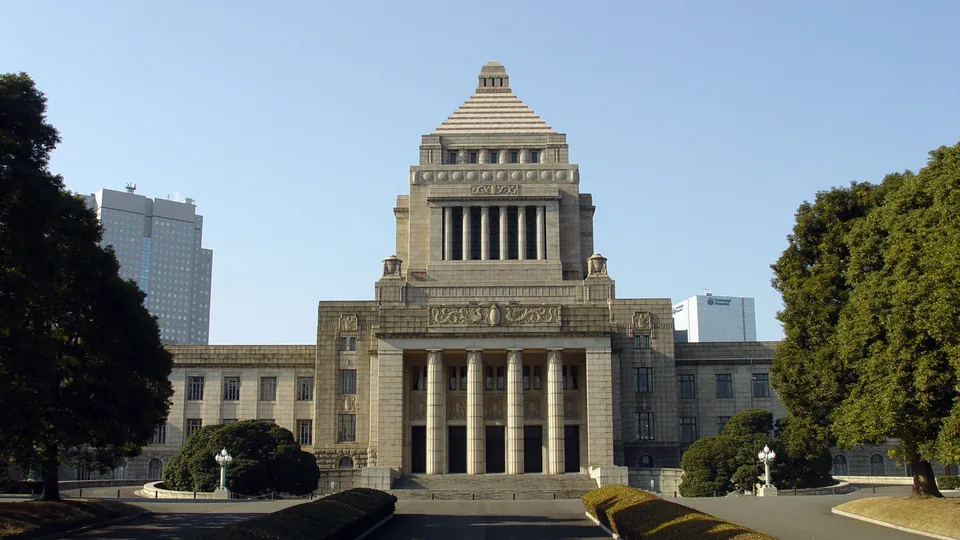
The Defense of International Justice: ICC President Tomoko Akane Urges Japan and Global Democracies to Resist Unilateral Coercion Against the Rome Statute
In an impassioned and historic address delivered before the Foreign Affairs Committee of the National Diet of Japan in Tokyo, the President of the International Criminal Court (ICC), Judge Tomoko Akane, issued an urgent global appeal calling upon Japan, the European Union, and democratic nations worldwide to stand united in defending the judicial independence, financial integrity, and sovereign mandate of the Rome Statute.
President Akane—the first Japanese jurist to be elected to lead the world’s premier permanent war crimes tribunal in The Hague—warned that the international legal order established in the aftermath of World War II is facing an unprecedented existential assault from unilateral political pressures, legislative sanction threats, and coercive visa bans designed to intimidate independent international judges and prosecutors investigating alleged war crimes and crimes against humanity.
Highlighting that Japan is the largest financial contributor to the ICC’s annual budget (providing over 15% of total state contributions), Judge Akane stressed that Japan’s principled moral leadership and unwavering commitment to the international rule of law are indispensable to ensure that the court remains an impartial sanctuary of justice for the most vulnerable victims of atrocities globally.
1. The Structure of the ICC: A Court of Universal Jurisdiction
Established in 1998 under the Rome Statute (currently ratified by 124 State Parties), the ICC operates on the foundational principle of Complementarity—acting only when sovereign national judiciaries are genuinely unable or unwilling to investigate and prosecute the most heinous international crimes:
graph TD
    A["Rome Statute of the International Criminal Court (124 Member States)"] --> B["Four Core Statutory Crimes: Genocide, Crimes Against Humanity, War Crimes & Aggression"]

    B --> C["Principle of Complementarity: Court of Last Resort for Global Victims"]

    C --> D["Unilateral Coercion Challenges: Foreign Sanctions Threaten Judicial Officers"]

    D --> E["President Tomoko Akane's Tokyo Appeal to Democratic State Parties"]
    E --> F["Pillar 1: Financial & Statutory Independence Guaranteed by Member States"]
    E --> G["Pillar 2: Universal Diplomatic Shield Protecting Judicial Immunity"]
    E --> H["Pillar 3: Enforcing Binding Global Extradition & Arrest Warrant Obligations"]
Key Pillars of President Akane’s Address in Tokyo:
- Defending Judicial Immunity: Reaffirming that international judges, prosecutors, and forensic investigators must be completely insulated from retaliatory asset freezes and travel bans when performing statutory duties under international law.
- Rejection of Selective Double Standards: Emphasizing that international justice cannot be an a la carte menu where powerful nations demand accountability for adversaries while claiming unilateral immunity for themselves or their allies.
- Protecting Victim Participation: Ensuring that the ICC’s Trust Fund for Victims (TFV) continues to receive stable multilateral funding to provide physical rehabilitation, trauma psychological counseling, and community reparations to over 450,000 survivors of armed conflict.
2. Global Contributions and Leadership within the Assembly of States Parties
Japan’s leadership within the Assembly of States Parties (ASP) is pivotal to the institutional survival of the court:
| Member State / Grouping | Statutory Contribution Share | Diplomatic Role in ICC Governance |
|---|---|---|
| Japan (Largest Contributor) | ~15.2% of Total Budget | Anchor of financial stability, judicial integrity, and Asia-Pacific outreach. |
| Germany | ~12.8% of Total Budget | Key European champion of universal jurisdiction and legal technical assistance. |
| United Kingdom & France | ~20.5% Combined Share | Permanent UN Security Council members bound by Rome Statute obligations. |
| Global South (Africa/Latin America) | Over 60 Member States | Constituting the vast majority of cases, victim communities, and regional support. |
3. The Reaction in Tokyo and the Japanese Diplomatic Tradition
Addressing the Diet following Judge Akane's testimony, Japan’s Minister for Foreign Affairs reaffirmed Tokyo’s steadfast dedication to the court:
"Japan’s post-war identity is rooted in an unshakeable commitment to peace, human rights, and the rule of law. We will continue to support the International Criminal Court financially, diplomatically, and structurally. An independent judicial system is not a weapon of politics; it is the ultimate defense of human civilization against tyranny and barbarism."
Prominent Japanese legal scholars and civic organizations launched a nationwide public campaign celebrating Japan’s judicial contributions to global peace.
4. Conclusion: Standing with the Victims of History
The historic defense of the International Criminal Court by President Tomoko Akane is a defining moment for international law in the 21st century.
When courts are intimidated into silence, the law of the jungle prevails. By standing resolutely behind the ICC, the democratic nations of the world reaffirm that power must always be subordinate to justice—ensuring that every human life, no matter how humble, is protected by the universal shield of the law.