

 QuranGPT
The $3.5 Trillion Global Halal Economy: Halal Tourism, Modest Fashion & Ethical Consumer Trends in 2026
A comprehensive analysis of the $3.5 trillion global halal industry: how Islamic lifestyle values, modest fashion, and halal tourism are driving mainstream ethical commerce.
The Holy Quran Team
Author
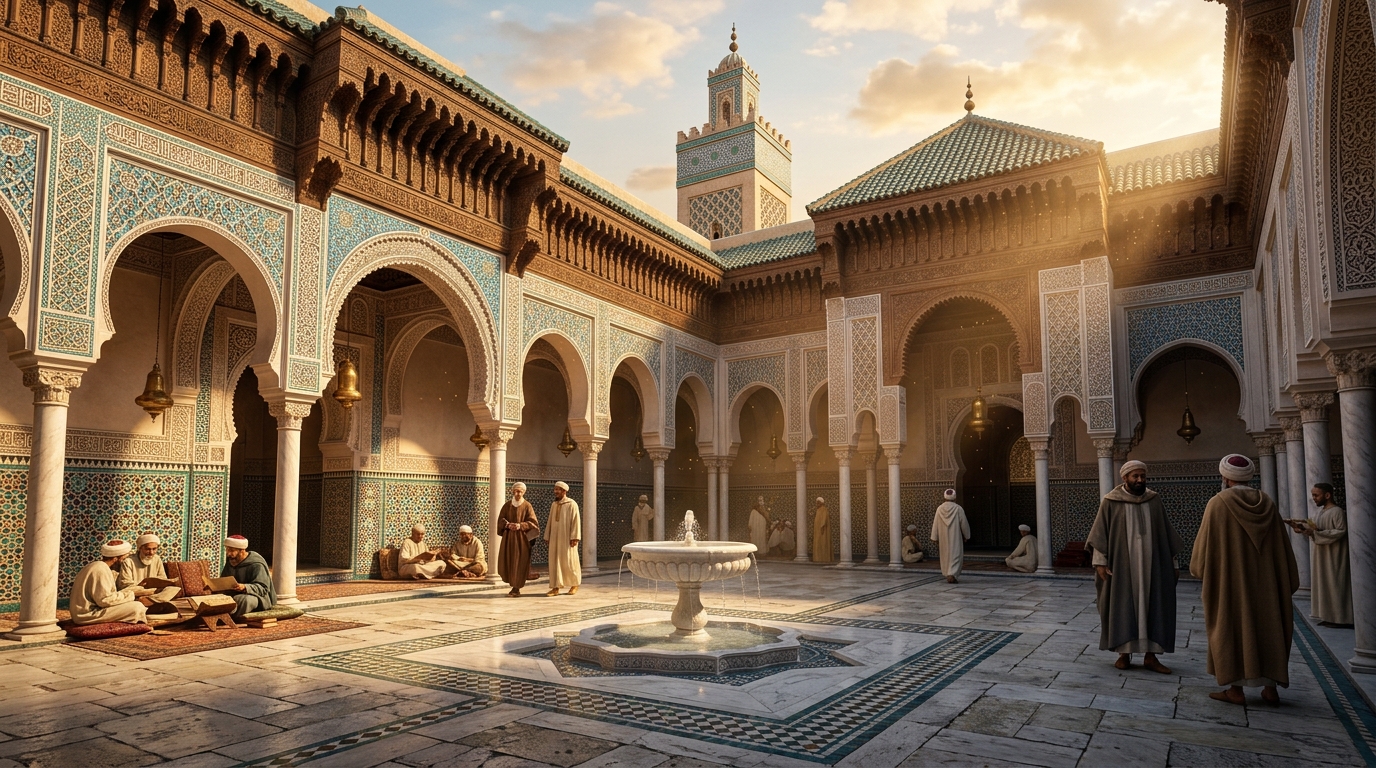
Across the global commercial landscape in 2026, a profound economic paradigm shift is underway. What was once viewed by multinational corporations as a fragmented, niche religious dietary requirement has rapidly matured into one of the world's most resilient and dynamic consumer sectors: the global Halal economy, now valued at over $3.5 trillion annually.
Spanning diverse sectors — including organic halal food production, modest fashion, Muslim-friendly tourism, ethical pharmaceuticals, clean cosmetics, and Shariah-compliant financial technology — this growth is fueled by powerful demographic fundamentals. With a global Muslim population exceeding 2.0 billion people, characterized by a uniquely youthful median age of 24 and expanding middle-class purchasing power across Southeast Asia, the Middle East, Europe, and North America, Islamic consumer spending is setting new benchmarks for mainstream global commerce.
Crucially, the hallmark of this expansion in 2026 is the convergence of religious compliance with universal ethical values: sustainability, organic integrity, animal welfare, and fair labor.
1. The Theological Foundation: Moving From 'Halal' to 'Tayyib'
To understand why the contemporary halal economy commands such broad appeal — even attracting non-Muslim consumers seeking organic transparency — one must appreciate the Quranic concept of Tayyib (wholesome, ethical, and pure).
The Holy Quran does not merely command believers to seek food and goods that are technically permissible (Halal); it explicitly couples permissibility with systemic wholesomeness:
يَـٰٓأَيُّهَا ٱلنَّاسُ كُلُوا۟ مِمَّا فِى ٱلْأَرْضِ حَلَـٰلًۭا طَيِّبًۭا وَلَا تَتَّبِعُوا۟ خُطُوَٰتِ ٱلشَّيْطَـٰنِ ۚ إِنَّهُۥ لَكُمْ عَدُوٌّۭ مُّبِينٌ
Surah Al-Baqarah (2:168): "O mankind, eat from whatever is on earth [that is] lawful and wholesome [Halalan Tayyiban], and do not follow the footsteps of Satan. Indeed, he is to you a clear enemy."
The classical scholars of Islam noted that while Halal denotes legal minimum compliance, Tayyib demands moral excellence: Was the animal raised humanely without abusive feedlots? Were the agricultural workers paid fair living wages? Is the packaging environmentally sustainable?
Narrated by Abu Hurairah (may Allah be pleased with him), the Messenger of Allah ﷺ affirmed:
"O people, indeed Allah is Pure (Tayyib) and He accepts only that which is pure. And indeed Allah has commanded the believers with that which He commanded the Messengers..."
(Sahih Muslim #1015)
In 2026, leading halal certification bodies worldwide have expanded their audits beyond slaughterhouse ritual mechanics to assess environmental sustainability, organic animal welfare, and supply-chain ESG benchmarks, establishing a unified standard for holistic ethical living.
2. Market Breakdown: The Pillars of the $3.5 Trillion Ecosystem
According to the State of the Global Islamic Economy Report (SGIE), consumer spending across core Islamic lifestyle sectors demonstrates remarkable compound annual growth rates (CAGR):
| Industry Sector | Estimated Global Market Size (2026) | Key Growth Drivers & Global Trends |
|---|---|---|
| Halal Food & Agriculture | $1.65 Trillion | Organic meat certification, clean-label processing, farm-to-table traceability |
| Islamic FinTech & Banking | $1.15 Trillion | Algorithmic screening, digital Sukuk crowdfunding, Shariah robo-advisors |
| Modest Fashion & Apparel | $380 Billion | Mainstream luxury runway integration, sustainable fabrics, digital e-commerce |
| Muslim-Friendly Tourism | $260 Billion | Dedicated family resorts, private villas, airport prayer facilities, halal gastronomy |
| Pharmaceuticals & Cosmetics | $140 Billion | Alcohol-free, cruelty-free, gelatin-free formulations with vegan overlap |
┌────────────────────────────────────────────────────────────────────────┐
│ Global Halal Consumer Spending Share (2026)                            │
│                                                                        │
│ Halal Food & Agriculture      ████████████████████ (47%)               │
│ Islamic FinTech & Banking     ██████████████       (33%)               │
│ Modest Fashion & Apparel      ████                 (11%)               │
│ Muslim-Friendly Tourism       ███                  (7%)                │
│ Halal Cosmetics & Pharma      ██                   (4%)                │
└────────────────────────────────────────────────────────────────────────┘
3. The Halal Tourism Revolution: Global Destinations Adapt
Travel and hospitality represent one of the fastest-rebounding and most competitive segments of the halal economy. According to the Mastercard-CrescentRating Global Muslim Travel Index (GMTI 2026), Muslim traveler arrivals globally are projected to surpass 190 million international trips.
Historically, Muslim-friendly travel was concentrated in traditional destinations like Malaysia, Indonesia, Turkey, and the United Arab Emirates. In 2026, however, non-OIC (Organization of Islamic Cooperation) nations are investing heavily to capture this high-spending demographic:
- United Kingdom & Spain: Major European cities have published dedicated halal gastronomy guides and curated historic Islamic heritage itineraries (such as Moorish architecture tours in Andalusia).
- Japan & South Korea: International airports in Tokyo, Osaka, and Seoul feature dedicated prayer rooms (Musallas) and certified dining options to cater to incoming Southeast Asian travelers.
- Privacy & Wellness Resorts: High-end boutique resorts across the Maldives, Mediterranean coasts, and Southeast Asia are designing private-pool villas that cater specifically to families seeking seclusion and modesty.
The Quran affirms the intrinsic spiritual and intellectual value of global travel:
قُلْ سِيرُوا۟ فِى ٱلْأَرْضِ فَٱنظُرُوا۟ كَيْفَ بَدَأَ ٱلْخَلْقَ ۚ ثُمَّ ٱللَّهُ يُنشِئُ ٱلنَّشْأَةَ ٱلْـَٔاخِرَةَ ۚ إِنَّ ٱللَّهَ عَلَىٰ كُلِّ شَىْءٍۢ قَدِيرٌۭ
Surah Al-Ankabut (29:20): "Say, [O Muhammad], 'Travel through the land and observe how He began creation. Then Allah will produce the final creation. Indeed Allah, over all things, is competent.'"
4. Modest Fashion: From Subculture to Global Runways
The global modest fashion sector has decisively transitioned from an underserved retail subculture into a powerhouse influencing Paris, Milan, and New York fashion weeks.
Valued at over $380 billion, modest fashion caters not only to Muslim women who observe the hijab, but also to women of Christian, Jewish, and non-religious backgrounds who deliberately choose elegant, flowing silhouettes over hyper-sexualized fast fashion.
The theological foundation for aesthetic grace and modesty is rooted in divine beauty:
قُلْ مَنْ حَرَّمَ زِينَةَ ٱللَّهِ ٱلَّتِىٓ أَخْرَجَ لِعِبَادِهِۦ وَٱلطَّيِّبَـٰتِ مِنَ ٱلرِّزْقِ ۚ قُلْ هِىَ لِلَّذِينَ ءَامَنُوا۟ فِى ٱلْحَيَوٰةِ ٱلدُّنْيَا خَالِصَةًۭ يَوْمَ ٱلْقِيَـٰمَةِ ۗ كَذَٰلِكَ نُفَصِّلُ ٱلْـَٔايَـٰتِ لِقَوْمٍۢ يَعْلَمُونَ
Surah Al-A'raf (7:32): "Say, 'Who has forbidden the adornment of Allah which He has produced for His servants and the good [lawful] things of provision?' Say, 'They are for those who believe during the worldly life and exclusively for them on the Day of Resurrection.' Thus do We explain the verses in detail for a people who know."
Contemporary Muslim designers are fusing classical Islamic draping techniques with modern sustainable textiles, proving that modesty, elegance, and high fashion are fully compatible.
5. Clean Beauty & Halal Cosmetics: The Vegan Overlap
In the cosmetics and personal care sector, halal certification has emerged as a gold standard for consumer safety and transparency.
To achieve halal certification, products must be:
- 100% free of porcine derivatives, lard, and mammalian gelatin.
- Completely free of intoxicating alcohol denaturants.
- Strictly cruelty-free (never tested on animals).
- Water-permeable (breathable) to ensure validity of ablution (Wudu).
This rigorous criteria has created immense crossover demand among secular, vegan, and clean-beauty consumers who seek ethical skincare free from harsh chemical binders and undisclosed animal testing.
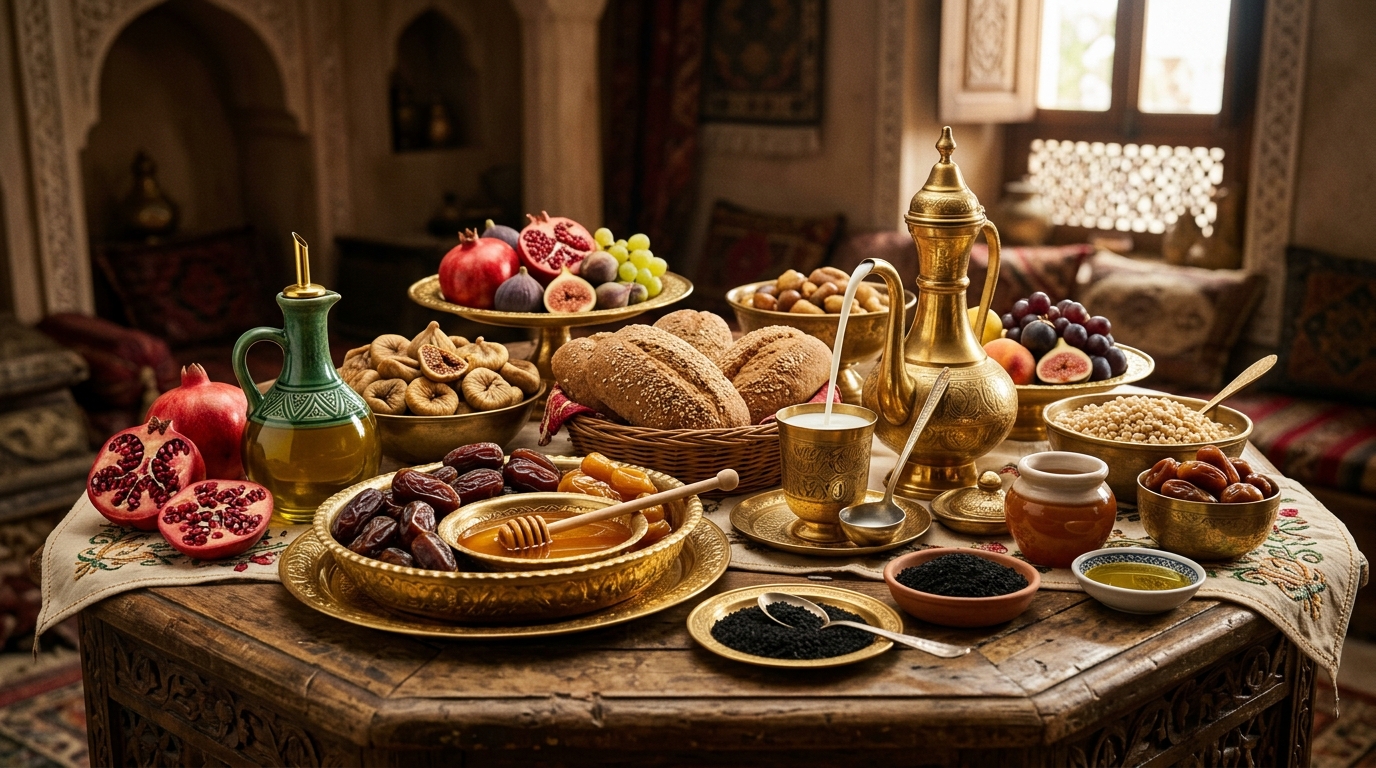
Conclusion: An Ethical Blueprint for 21st-Century Commerce
The explosive growth of the global Halal economy is far more than a demographic milestone; it represents a philosophical re-evaluation of modern consumerism.
In an age when conventional capitalism frequently prioritizes short-term extraction and unmonitored supply chains, the Islamic economic framework insists that commerce must remain accountable to higher moral imperatives. By uniting legal permissibility with holistic wholesomeness (Halalan Tayyiban), the global halal ecosystem offers a compelling model for global trade: one where enterprise generates prosperity, preserves human dignity, and honors the sacred balance of creation.