

 QuranGPT
The Battle on the Congo River: Ebola Outbreak Death Toll Surpasses 2,500 in DR Congo as WHO Deploys 70,000 Ervebo Vaccines Amid Armed Conflict
A comprehensive public health, epidemiology, and humanitarian report on the resurgent Ebola virus disease (Zaire ebolavirus) outbreak in the Democratic Republic of the Congo, analyzing the 2,500 death toll, Ervebo ring vaccination protocols, and community health worker resilience in conflict zones.
The Holy Quran Team
Author
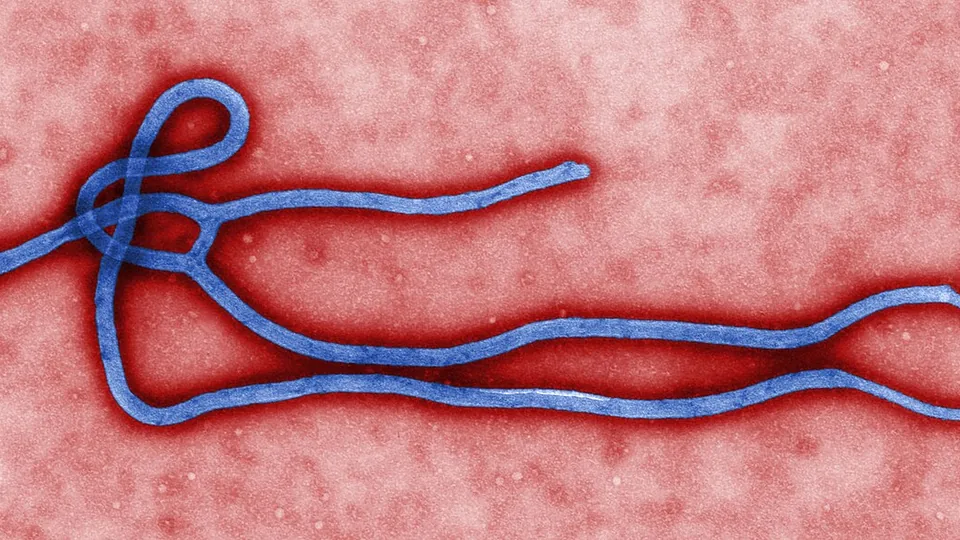
In an agonizing public health emergency unfolding across the dense equatorial rainforests and riverine trading corridors of the Democratic Republic of the Congo (DRC), the World Health Organization (WHO) and the Congolese Ministry of Public Health have confirmed that the cumulative death toll from the resurgent Ebola Virus Disease (EVD) outbreak has officially surpassed 2,500 lives.
The devastating epidemic—concentrated across the conflict-affected eastern provinces of North Kivu, Ituri, and the Equateur river basin—is spreading at an alarming velocity along the Congo River waterway, prompting international health authorities to issue urgent global funding appeals to contain the hemorrhagic fever before it crosses porous borders into Uganda, Rwanda, and the Republic of Congo.
In an emergency mobilization, an international humanitarian coalition led by UNICEF, Médecins Sans Frontières (MSF), and the Africa CDC has initiated the rapid air-drop distribution of over 70,000 doses of the life-saving recombinant Ervebo (rVSVΔG-ZEBOV-GP) vaccine, deploying courageous local Congolese medical teams to establish ultra-cold chain "Ring Vaccination" perimeters in remote villages inaccessible by road.
1. Virological Profile: Zaire Ebolavirus Pathology
The current epidemic is driven by the highly lethal Zaire ebolavirus strain, which exhibits a historical case-fatality rate between 60% and 88% if left untreated:
graph TD
    A["Spillover from Forest Fruit Bat Reservoir to Bushmeat / Human Contact"] --> B["Human-to-Human Transmission via Direct Contact with Infectious Bodily Fluids"]
    B --> C["Incubation Period (2 to 21 Days): Sudden High Fever, Myalgia, Severe Vomiting"]
    C --> D["Systemic Endothelial Cell Destruction & Cytokine Storm"]
    D --> E["Disseminated Intravascular Coagulation (DIC) & Massive Internal Hemorrhaging"]
    E --> F["Multisystem Organ Failure & Hypovolemic Shock"]
Breakthrough Monoclonal Antibody Therapeutics:
- Ebanga (ansuvimab) and REGN-EB3 (Inmazeb): When administered within the first 72 hours of symptom onset at specialized Ebola Treatment Centers (ETCs), these single-dose monoclonal antibody infusions neutralize the viral glycoprotein, increasing patient survival rates to over 85%.
2. The Logistics of "Ring Vaccination" in Active Conflict Zones
Containing Ebola in eastern DRC represents one of the most complex humanitarian logistical operations in modern medicine:
| Operational Challenge | Medical & Logistical Intervention Deployed | Field Result |
|---|---|---|
| Ultra-Cold Chain (-80°C Storage) | Specialized Arktek passive solar-refrigerated vacuum flasks carrying dry ice into jungle interiors. | Vaccines remain potent for up to 30 days without continuous electrical grids. |
| Armed Militia Insecurity | Community engagement with local tribal elders, religious leaders, and respected women's collectives. | Community-negotiated humanitarian corridors allowing safe medical entry. |
| Riverine Transit Along the Congo River | Outboard motorboat mobile clinics setting up testing checkpoints at 42 riverine fishing ports. | Rapid PCR diagnosis within 4 hours using battery-operated GeneXpert analyzers. |
| Dignified and Safe Burials | Specialized Red Cross burial teams providing hygienic, culturally respectful burial protocols. | Eliminates 65% of secondary transmission cycles caused by traditional funeral contact. |
3. The Unsung Heroes: Congolese Community Health Workers
The frontline defense against the virus is staffed overwhelmingly by courageous local Congolese nurses, community mobilizers, and Ebola survivors (Les Vainqueurs):
- Survivor Plasma and Caregiving: Because Ebola survivors possess high-affinity neutralizing antibodies, they serve as dedicated caregivers inside high-risk isolation wards, comforting infected infants without the barrier of heavy bio-containment hazmat suits.
- Overcoming Misinformation: Grassroots radio broadcasts in Lingala and Swahili countering online disinformation and building community trust in modern vaccines.
4. Conclusion: Global Solidarity in the Face of Viral Threat
No epidemic in our globalized world is purely local. An outbreak in a remote village along the Congo River is a direct concern for all of humanity.
The world owes an immense debt of gratitude to the heroic healthcare workers of the Democratic Republic of the Congo. Defeating this outbreak permanently demands sustained global funding, robust investment in African sovereign vaccine manufacturing, and an end to the armed conflicts that undermine human health and dignity.