

 QuranGPT
The Mamallan Reservoir Debate: South Chennai Residents and Environmentalists Protest Proposed Flood Mitigation Project
A comprehensive urban hydrology and environmental report on the proposed Mamallan Reservoir in South Chennai, analyzing flood mitigation engineering versus ecological displacement, marshland destruction, and community opposition in Chengalpattu district.
The Holy Quran Team
Author
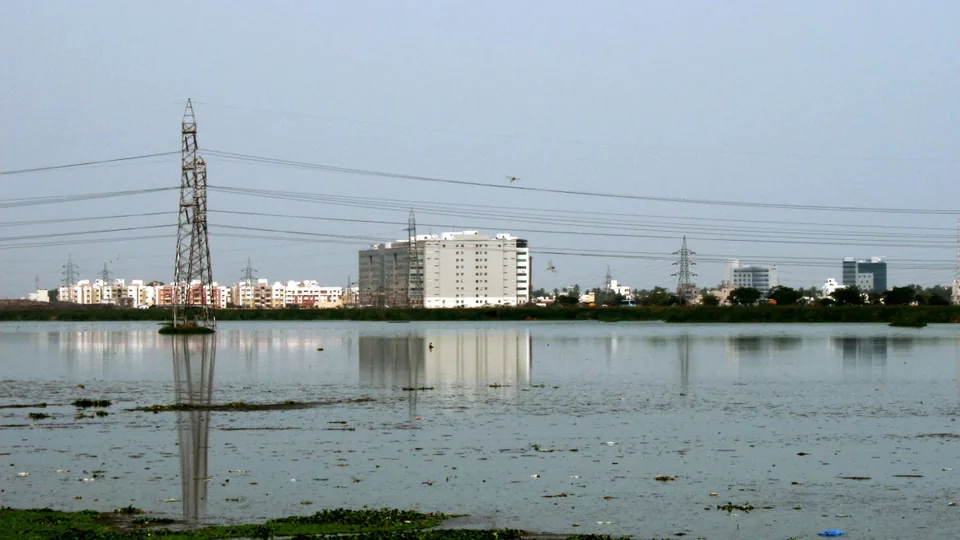
The Mamallan Reservoir Debate: South Chennai Residents and Environmentalists Protest Proposed Flood Mitigation Project
An intensifying environmental and civil confrontation has emerged across the southern peri-urban fringes of the Chennai Metropolitan Area over the Water Resources Department’s (WRD) ambitious ₹1,200-Crore Mamallan Reservoir Project, proposed to be constructed across Chengalpattu district to bolster drinking water storage and mitigate severe monsoon urban flooding.
While state irrigation planners emphasize that creating a dedicated 4.5 TMC (Thousand Million Cubic Feet) freshwater storage reservoir is indispensable to drought-proof the water-stressed metropolis of 11 million residents, local farmers, resident welfare associations, and ecological conservationists have organized widespread peaceful demonstrations.
Protesters warn that the proposed mega-embankment design threatens to submerge over 1,800 acres of fertile agricultural land, disrupt ancient irrigation tanks (eris), fragment the sensitive Pallikaranai marshland watershed, and displace hundreds of generational agrarian families.
1. Project Overview: Engineering Intent vs Ecological Footprint
The Water Resources Department designed the Mamallan reservoir to capture monsoon surplus flood runoff that currently flows unutilized into the Bay of Bengal through the Kovalam basin:
graph TD
    A["Monsoon Inundation in Kovalam Basin & South Chennai"] --> B["WRD Proposal: Construct 4.5 TMC Mamallan Reservoir"]
    B --> C["Objective 1: Mitigate Urban Street Flooding in Velachery, OMR & Tambaram"]
    B --> D["Objective 2: Supply 150 MLD Potable Drinking Water to Chennai Metro"]

    B --> E["CIVIC OPPOSITION & PROTESTS"]
    E --> F["Submergence of 1,800 Acres of Agricultural Land & Orchards"]
    E --> G["Disruption of Ancient Interlinked Chola-Era Eri (Tank) Cascades"]
    E --> H["Alteration of Brackish Estuarine Ecosystems in Muttukadu Backwaters"]
Key Engineering Features Proposed:
- Storage Capacity: 4.5 TMC, equivalent to the combined storage of the Chembarambakkam and Poondi reservoirs.
- Flood Diversion Canal: A 14-kilometer inter-basin flood diversion channel designed to divert peak monsoon discharges from the Adyar River tributaries.
- Desalination Synergy: Providing seasonal blending water for coastal thermal power plants and southern IT-corridor residential hubs along Old Mahabalipuram Road (OMR).
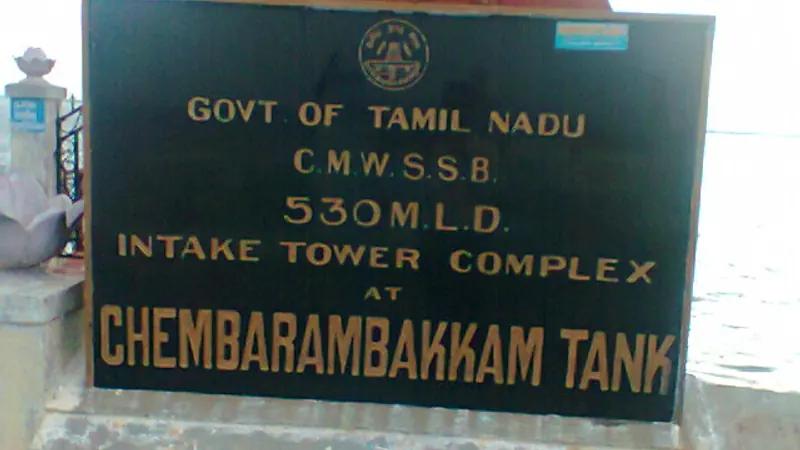 Chennai's freshwater reservoirs and wetlands are critical for balancing urban flood mitigation with natural hydrology.
2. Arguments of Opposing Stakeholders
The confrontation presents a classic conflict between rapid urban megacity infrastructure demands and fragile local ecological preservation:
| Stakeholder Group | Core Stance & Arguments | Proposed Alternative Solution |
|---|---|---|
| Water Resources Department (WRD) | Chennai faces catastrophic cyclical droughts; extra storage is essential to prevent Day Zero scenarios like 2019. | Constructing deep storage bunds with automated sluice gates. |
| South Chennai Resident Welfare Alliances | Massive concrete reservoirs create artificial choke-points that could worsen upstream backwater flooding. | Decentralized desilting and deepening of 39 existing Chola-era village eris. |
| Environmental & Birding Trusts | Inundating the marsh basin destroys vital stopover habitats for migratory flamingos and pelicans. | Establishing a protected bio-retention wetland sanctuary in the Kovalam basin. |
| Local Agrarian Panchayats | Land acquisition threatens generational livelihood and food security for 14 farming villages. | Complete cancellation of forced land acquisition notifications. |
3. Hydrological Insights: The Value of Ancient Tank Cascades
Eminent water resource scientists and hydrologists in Tamil Nadu argue that rather than building expensive, ecologically destructive mega-reservoirs, Chennai should revitalize its traditional Kalingarayan and Chola cascade tank systems:
- South Chennai is naturally interconnected by a network of over 3,000 seasonal village ponds (Kulam) and lakes (Eri) engineered centuries ago to absorb floodwaters and recharge subterranean aquifers.
- Restoring natural floodplains, clearing illegal encroachments along stormwater drainage channels, and restoring the natural carrying capacity of the Pallikaranai marsh would achieve identical flood-mitigation benefits at a fraction of the financial and ecological cost.
4. Conclusion: Finding Democratic Equilibrium
The Mamallan reservoir debate underscores the urgent necessity of participatory, ecologically sensitive urban planning.
The Government of Tamil Nadu has signaled its willingness to engage with citizen delegations and independent hydrological panels, demonstrating that true sustainable development must harmonize urban water security with the preservation of sacred agricultural soil and vital wetland ecology.