

 QuranGPT
Allah's Mercy is Vastly Greater Than a Mother's Love: The Authentic Hadith, Spiritual Depth, and Divine Compassion in Islam
A comprehensive Islamic scholarly reflection on why Allah's mercy and love for His servants exceeds a mother's affection by countless folds, exploring authentic Hadiths from Bukhari and Muslim, the 99 parts of mercy, linguistic root of Rahim, and overcoming spiritual despair.
The Holy Quran Team
Author
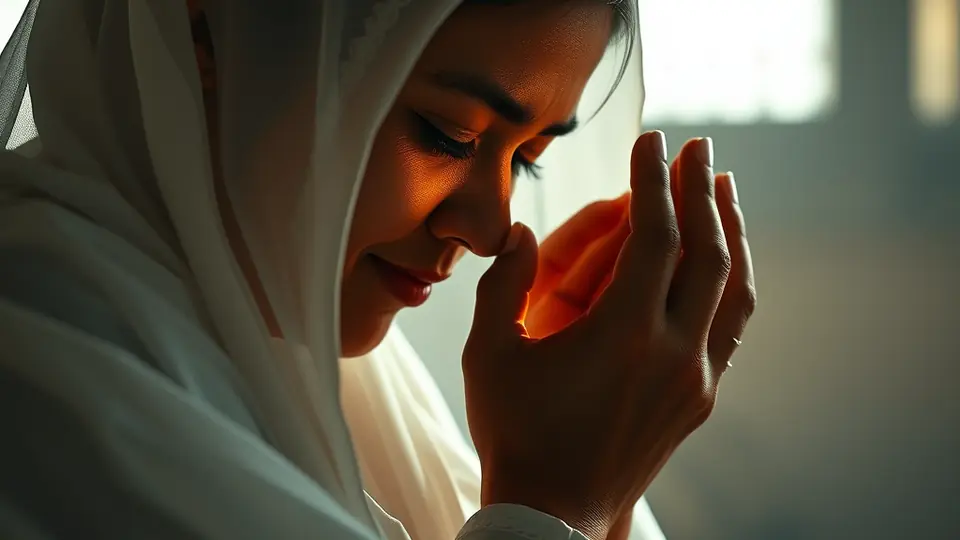
In the human experience, there is no emotional bond more selfless, fierce, enduring, and unconditional than the love of a mother for her infant child. A mother willingly endures physical agony, sleepless nights, self-sacrifice, and relentless vigilance to nourish and protect her offspring without expecting anything in return.
Yet, in classical Islamic theology, as taught by Prophet Muhammad (peace and blessings be upon him), the boundless love, protective warmth, and overwhelming sacrifice of all mothers across human history combined is merely an infinitesimal speck compared to the infinite, unfathomable Mercy (Rahmah) that Allah (The Most Gracious, The Most Merciful) harbors for His creation.
When Muslims say that "Allah loves His servants seventy times more than a mother's love," this is a metaphor deeply rooted in authentic Prophetic traditions that illustrate a profound spiritual reality: Allah’s compassion is infinite, unceasing, and transcends every earthly concept of devotion.
This article offers an exhaustive, scholarly exploration of the authentic Hadiths regarding Allah’s mercy, the linguistic majesty behind Divine attributes, the theological division of the 100 parts of Rahmah, and how this truth serves as an eternal antidote to spiritual despair, anxiety, and guilt.
1. The Authentic Hadith of the Mother and Her Child
The primary foundational text illustrating this profound reality is recorded in both Sahih al-Bukhari and Sahih Muslim—the two most authentic compendiums of Hadith literature.
عَنْ عُمَرَ بْنِ الْخَطَّابِ رَضِيَ اللَّهُ عَنْهُ، أَنَّهُ قَالَ: قَدِمَ عَلَى رَسُولِ اللَّهِ صَلَّى اللَّهُ عَلَيْهِ وَسَلَّمَ بِسَبْيٍ، فَإِذَا امْرَأَةٌ مِنَ السَّبْيِ تَبْتَغِي، إِذْ وَجَدَتْ صَبِيًّا فِي السَّبْيِ أَخَذَتْهُ فَأَلْصَقَتْهُ بِبَطْنِهَا وَأَرْضَعَتْهُ، فَقَالَ لَنَا رَسُولُ اللَّهِ صَلَّى اللَّهُ عَلَيْهِ وَسَلَّمَ: «أَتَرَوْنَ هَذِهِ الْمَرْأَةَ طَارِحَةً وَلَدَهَا فِي النَّارِ؟» قُلْنَا: لَا وَاللَّهِ، وَهِيَ تَقْدِرُ عَلَى أَنْ لَا تَطْرَحَهُ. فَقَالَ رَسُولُ اللَّهِ صَلَّى اللَّهُ عَلَيْهِ وَسَلَّمَ: «لَلَّهُ أَرْحَمُ بِعِبَادِهِ مِنْ هَذِهِ بِوَلَدِهَا»
English Translation:
Narrated Umar ibn al-Khattab (may Allah be pleased with him):
Some prisoners of war were brought before the Messenger of Allah (ﷺ). Among them was a woman who was searching frantically for her lost child. When she found a small infant among the captives, she took him, pressed him tightly against her chest, and began to breastfeed him.
The Messenger of Allah (ﷺ) turned to us and asked:
"Do you think this woman would ever throw her child into a blazing fire?"We replied: "No, by Allah! Not as long as she possesses the power to prevent it."
Thereupon, the Messenger of Allah (ﷺ) declared:
"Allah is far more merciful to His servants than this mother is to her child."
(Sahih al-Bukhari 5999, Sahih Muslim 2754)
Scholarly Commentary on the Scene
Scholars of Hadith such as Imam Ibn Hajar al-Asqalani in Fath al-Bari and Imam an-Nawawi in his commentary on Sahih Muslim emphasize the pedagogical genius of the Prophet (ﷺ). He did not teach this truth through cold intellectual definitions; he grounded it in a visceral, visual scene that every human heart instantly grasps.
The mother's desperate search, her instant relief, and the protective embrace of her child represented the zenith of human mercy. By asking whether she could ever harm her child, the Prophet (ﷺ) anchored the believers' understanding: if created human affection prevents a mother from harming her weak child, how could the Uncreated Creator, who crafted that very love, ever wish unwarranted harm upon His servants?
2. The 100 Parts of Mercy: 99 Preserved for the Day of Judgment
To further expand human comprehension of the scale of Divine Mercy, the Prophet (ﷺ) revealed another astounding metaphysical reality regarding how mercy is distributed throughout the cosmos.
عَنْ أَبِي هُرَيْرَةَ رَضِيَ اللَّهُ عَنْهُ، عَنِ النَّبِيِّ صَلَّى اللَّهُ عَلَيْهِ وَسَلَّمَ قَالَ: «إِنَّ اللَّهَ خَلَقَ الرَّحْمَةَ يَوْمَ خَلَقَهَا مِائَةَ رَحْمَةٍ، فَأَمْسَكَ عِنْدَهُ تِسْعًا وَتِسْعِينَ رَحْمَةً، وَأَرْسَلَ فِي خَلْقِهِ كُلِّهِمْ رَحْمَةً وَاحِدَةً، فَبِهَا يَتَرَاحَمُ الْخَلْقُ، حَتَّى تَرْفَعَ الدَّابَّةُ حَافِرَهَا عَنْ وَلَدِهَا خَشْيَةَ أَنْ تُصِيبَهُ»
English Translation:
Abu Huraira (may Allah be pleased with him) reported: The Prophet (ﷺ) said:
"Allah created mercy in one hundred parts on the day He created it. He retained ninety-nine parts with Himself and sent down one single part to all of His creation.
From that single part, all creatures show compassion to one another—so much so that a beast lifts its hoof away from its young foal out of fear that it might hurt it."
(Sahih al-Bukhari 6469, Sahih Muslim 2752)
Understanding the Cosmic Ratio of Compassion
Reflect deeply upon this divine proportion:
- The 1 Single Part (1%): Every act of love, tenderness, maternal instinct, kindness between humans, animals caring for their young, birds sheltering their fledglings, and self-sacrificing compassion witnessed from the beginning of time until the Day of Resurrection is derived from just one hundredth (1%) of Divine Mercy.
- The 99 Parts (99%): The remaining ninety-nine parts of Mercy remain reserved with Allah alone, waiting to be unleashed upon the believers on the Day of Reckoning (Yawm al-Qiyamah)—a day when mankind will stand in desperate need of forgiveness.
Imam Sufyan ath-Thawri, one of the greatest early scholars (Tabi'un), famously reflected on this:
"I would not want my accounting on the Day of Judgment to be handed over to my parents, because Allah is more merciful to me than my own mother and father."
3. Linguistic Depth: The Secret Connection Between Rahmah and the Womb (Rahm)
The Arabic language holds sublime secrets in its morphological roots (Ishtiqaaq). The word for divine mercy—Rahmah (رَحْمَة)—shares the exact same root letters (R-H-M) as the word for a mother's womb—Ar-Rahm (الرَّحِم).
In a sacred Hadith Qudsi, Allah explicitly reveals this divine connection:
قَالَ اللَّهُ تَعَالَى: «أَنَا الرَّحْمَنُ وَهِيَ الرَّحِمُ، شَقَقْتُ لَهَا اسْمًا مِنِ اسْمِي، فَمَنْ وَصَلَهَا وَصَلْتُهُ، وَمَنْ قَطَعَهَا بَتَتُّهُ»
"I am Ar-Rahman (The Most Gracious), and this is Ar-Rahm (the womb). I derived its name from My Own Name. Whoever upholds it, I will maintain ties with him; and whoever severs it, I will cut him off."
(Sunan Abu Dawud 1694, Jami' at-Tirmidhi 1907 - Sahih)
The Symbolism of the Womb:
Consider the environment of the womb (Rahm):
- It surrounds the unborn fetus in unconditional warmth, total protection, and effortless nourishment.
- The unborn child does not need to ask, beg, or work for food, oxygen, or shielding; the womb provides every necessity automatically.
- The child causes physical distress and exhaustion to the mother, yet the mother’s response is love, nurturing, and gentleness.
By connecting His Supreme Attribute of Ar-Rahman to the Rahm, Allah teaches us that His care and sustenance for us is infinitely more enveloping, watchful, and unconditional than the protective cocoon of a mother's womb.
4. Ar-Rahman, Ar-Rahim, and Al-Wadud: The Three Pillars of Divine Affection
In the Quran, Allah does not merely describe Himself as merciful in an abstract or detached legalistic sense; He describes His mercy as personal, intimate, and loving.
graph TD A["Allah's Infinite Love & Mercy"] --> B["Ar-Rahman (الرَّحْمَن)"] A --> C["Ar-Rahim (الرَّحِيم)"] A --> D["Al-Wadud (الْوَدُود)"] B --> B1["All-Encompassing, Universal Mercy for All Creation"] C --> C1["Specific, Continuous Mercy for the Believers"] D --> D1["Active, Affectionate Love Manifested in Blessings"]
1. Ar-Rahman (الرَّحْمَن) — The Boundless Ocean of Mercy
This name represents the intensity and universality of Allah's mercy. It encompasses every created being—believer and disbeliever, pious and sinner, human, animal, and plant. Every breath of air, every heartbeat, and every sunrise is a direct gift from Ar-Rahman.
2. Ar-Rahim (الرَّحِيم) — The Intimate, Eternal Mercy
While Ar-Rahman is vast and broad, Ar-Rahim refers to the focused, specialized, and eternal mercy directed specifically toward those who believe, seek guidance, and turn to Him in repentance.
3. Al-Wadud (الْوَدُود) — The Loving, Affectionate One
In human language, love (Hubb) can exist in the heart without being expressed. However, the Arabic word Wudd (وُدّ) signifies love that is actively manifested through affection, gifts, tenderness, and warmth. Allah is Al-Wadud: He creates beautiful sunsets, sweet fruits, soothing rain, tranquil sleep, and gentle companions as tangible manifestations of His affection for His servants.
In Surah Hud, Allah beautifully couples these attributes:
"And ask forgiveness of your Lord and turn to Him in repentance. Indeed, my Lord is Merciful and Loving (Rahimun Wadud)."
(Surah Hud 11:90)
5. Overcoming the Veil of Despair (Al-Qunut)
One of the greatest spiritual traps laid by Satan (Iblis) is to convince a struggling believer that their sins are too grave, their shortcomings too disgraceful, or their past too ruined to ever be embraced by Allah’s mercy.
When someone loses faith in Allah’s forgiveness, they fall into Al-Qunut (spiritual despair), which the Quran explicitly condemns:
قُلْ يَا عِبَادِيَ الَّذِينَ أَسْرَفُوا عَلَىٰ أَنفُسِهِمْ لَا تَقْنَطُوا مِن رَّحْمَةِ اللَّهِ ۚ إِنَّ اللَّهَ يَغْفِرُ الذُّنُوبَ جَمِيعًا ۚ إِنَّهُ هُوَ الْغَفُورُ الرَّحِيمُ
English Translation:
"Say, 'O My servants who have transgressed against themselves [by sinning], do not despair of the mercy of Allah. Indeed, Allah forgives all sins. Indeed, it is He who is the Forgiving, the Merciful.'"
(Surah Az-Zumar 39:53)
Scholarly Insight on "O My Servants" (Ya 'Ibadiya)
Notice the tender, affectionate phrasing of this verse. Allah does not address sinners as "O transgressors" or "O criminals". He honors them with the intimate possessive: "O My servants (Ya 'Ibadiya)"—affirming that even when a person falls into sin, their fundamental relationship as a beloved creation of God is never erased.
Consider this comparison:
- If a young child disobeys his mother, runs into the mud, and soils his clothes, the loving mother does not cast the child out onto the street. She embraces the child, washes away the dirt, and dresses him in clean garments.
- Allah’s response to our sincere repentance (Tawbah) is infinitely greater: He does not just wash away the dirt of our sins; He rejoices at our return and transforms our past mistakes into good deeds!
As recorded in Sahih Muslim (2747), Prophet Muhammad (ﷺ) said:
"Allah is more pleased with the repentance of His servant when he turns to Him in repentance than one of you would be if he were traveling in a barren desert on his camel, and it strayed away from him carrying his food and water... and after giving up hope, he suddenly finds his camel standing right beside him!"
6. How Allah's Mercy Reaches Us in Daily Life
To perceive Allah’s compassion beyond theory, a believer must cultivate spiritual mindfulness (Tadabbur) to witness His mercy active in daily reality:
| Daily Experience | Manifestation of Divine Mercy |
|---|---|
| Sickness and Pain | Expiates past sins, softens the hardened heart, and elevates spiritual rank without the person realizing it. |
| Withheld Desires | Allah withholds what might ruin our faith or happiness, like a mother taking sharp objects away from her infant. |
| Night and Sleep | Allah made the night a calm garment of rest (Sakan) so the exhausted soul can rejuvenate. |
| Daily Adhkar and Salah | Five daily appointments to wash away guilt, speak directly to the King of Kings, and receive inner tranquility (Sakinah). |
| The Acceptance of Repentance | A single heartfelt tear shed in the quiet of the night (Tahajjud) dissolves decades of mistakes instantly. |
7. Practical Steps: How to Live in the Embrace of Allah's Mercy
Knowing that Allah loves you more than your own mother requires a response of gratitude, devotion, and action. Here is how a Muslim cultivates this connection:
- Speak to Allah with Complete Vulnerability:
Never hide your struggles from Allah. Cry before Him in your Sujood (prostration). A child runs to its mother with tears, knowing comfort awaits; run to Allah with your heart's broken pieces. - Never Despair of Forgiveness:
Whenever Satan whispers that you have sinned too much, recite Surah Az-Zumar (39:53) and make immediate Istighfar: Astaghfirullah al-'Azim wa Atubu Ilayh. - Be Merciful to Creation:
The Prophet (ﷺ) said:«The merciful are shown mercy by the Most Merciful. Be merciful to those on earth, and the One in the heavens will be merciful to you.» (Jami' at-Tirmidhi 1924)
- Recite the Adhkar of Mercy Daily:
Begin every task with Bismillahir Rahmanir Rahim. Frequently recite:
«Rabbi-ghfir warham wa Anta Khayrur-Rahimin» (My Lord, forgive and have mercy, for You are the Best of the Merciful — Quran 23:118). - Honor Your Parents:
Reflect on the sacrifice of your mother as a tangible, living signpost of God's uncreated compassion, and pray for her constantly:
«Rabbir-hamhuma kama rabbayani saghira» (My Lord, have mercy upon them as they brought me up when I was small — Quran 17:24).
8. Conclusion: The Ultimate Sanctuary
Human love, even at its highest maternal peak, is finite, subject to fatigue, misunderstanding, and death. But Allah’s Mercy is eternal, omnipotent, and inexhaustible.
No matter how lost you feel, how heavily your sins weigh upon your conscience, or how broken your world appears, remember the profound words of our beloved Prophet Muhammad (ﷺ):
«لَلَّهُ أَرْحَمُ بِعِبَادِهِ مِنْ هَذِهِ بِوَلَدِهَا»
"Allah is far more merciful to His servants than a mother is to her newborn child."
Turn back to Him today, take a single step toward His door, and find that His Mercy is already rushing toward you with open embrace.